Huni Kuin (Kaxinawá) tribe
Indigenous peoples of the Amazon
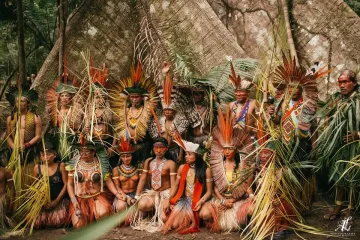
The Huni Kuin, “the real people”, are the largest Indigenous nation of the Brazilian state of Acre. For a long time the world knew them as Kaxinawá, but they use their own name.
They live on the border of western Brazil and eastern Peru, along the Tarauacá, Jordão, Purus and other rivers. They are known for the geometric patterns called kene, rich ceremonies, songs and deep knowledge of the forest. A large share of the Rapé available in Europe today comes from their communities.
Name and language
What does Huni Kuin mean, and is Kaxinawá the same people?
Yes, it is the same people. Huni Kuin is their own name, while Kaxinawá is a name given to them from outside.
Huni Kuin
From huni (person) and kuin (real, true). Huni Kuin means “real people”, and it is how the people call themselves.
Kaxinawá
Also written Cashinahua, Caxinauá or Kashinawa. Others gave them this name, and it probably began as an insult. Kaxi can mean bat, cannibal or people who walk at night, and nawa means strangers. Today the people prefer Huni Kuin, so La Herba uses that form.
Hãtxa Kuin
The Huni Kuin speak a language of the Pano family, from the Nawa group. They call it Hãtxa Kuin, “real words”. Related peoples with the ending -nawa live nearby, for example the Yaminawa and Sharanawa.
Territory
Where do the Huni Kuin live, and how many are there?
Almost 12,000 Huni Kuin live in the Brazilian state of Acre and about 2,400 in Peru, which makes them the largest Indigenous people of Acre.
~12,000
in Brazil, Acre (2020)
~2,400
in Peru (2007)
Pano
language family, Nawa group
Purus
one of the main rivers, in Brazil and Peru
In Brazil the Huni Kuin live on several Indigenous territories along the Tarauacá, Jordão, Breu, Muru, Envira, Humaitá and Purus rivers. In Peru they settled along the Purus and Curanja rivers, and part of them lives in the Alto Purús territory, which they share with the Kulina people. The figures come from official data (Brazil 2020, Peru 2007).
History
How did the Huni Kuin history unfold?
In short: from forced labour during the rubber boom to winning back their own lands.
The rubber boom
Peruvian rubber tappers entered Huni Kuin territory. Two decades later Brazilians replaced them and stayed in the region much longer. Many Huni Kuin were forced to work for rubber “bosses”.
Dispersal and epidemics
Violence, deforestation and disease split the communities apart. After contact with travellers in the middle of the century, a measles epidemic struck some groups and took a large part of the adults.
Return to their own land
The Huni Kuin began founding new villages and fighting for recognition of their territories. The communities gradually reconnected, and today almost all groups are close to one another.
Daily life
What is daily life like for the Huni Kuin?
Hunting comes first. Alongside it people fish, gather forest fruit and grow crops in small plots made by clearing and burning a patch of forest.
Society is divided into two halves, one ceremonial and one for marriage, and the division of work between women and men is the basis of everyday life.
Weaving and patterns
Women plait baskets, string beaded jewellery, make pottery and weave hammocks and clothing decorated with kene patterns.
Wood and feathers
Men plait some types of baskets, carve tools from wood and make feather ornaments, canoes, bows and arrows.
Art
What are kene?
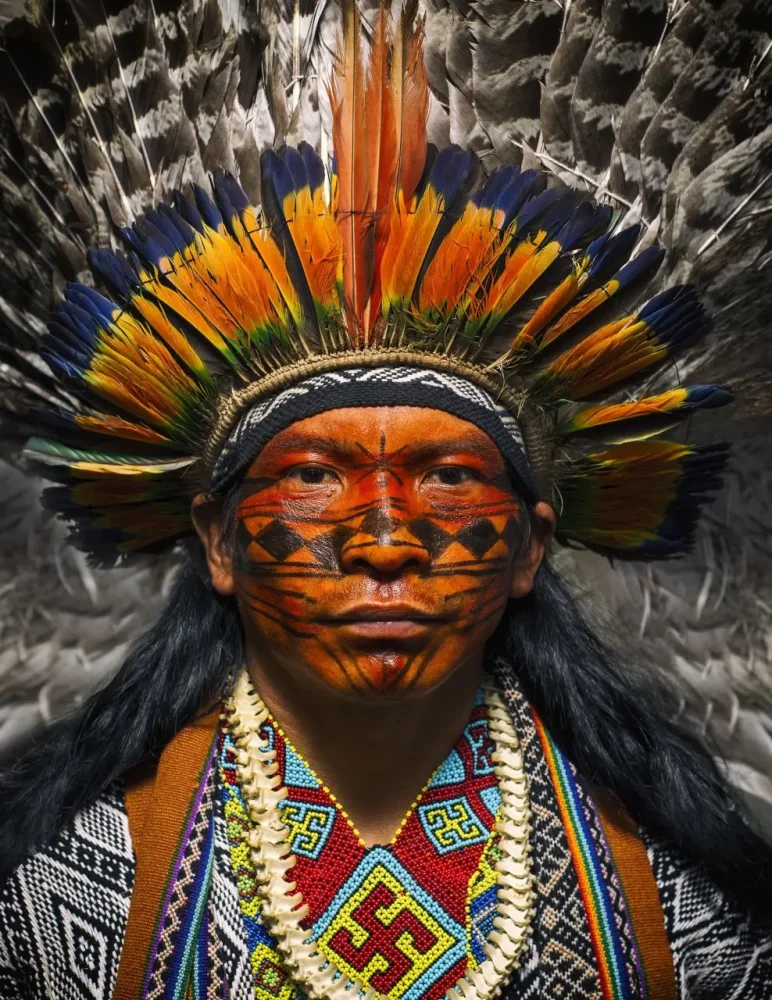
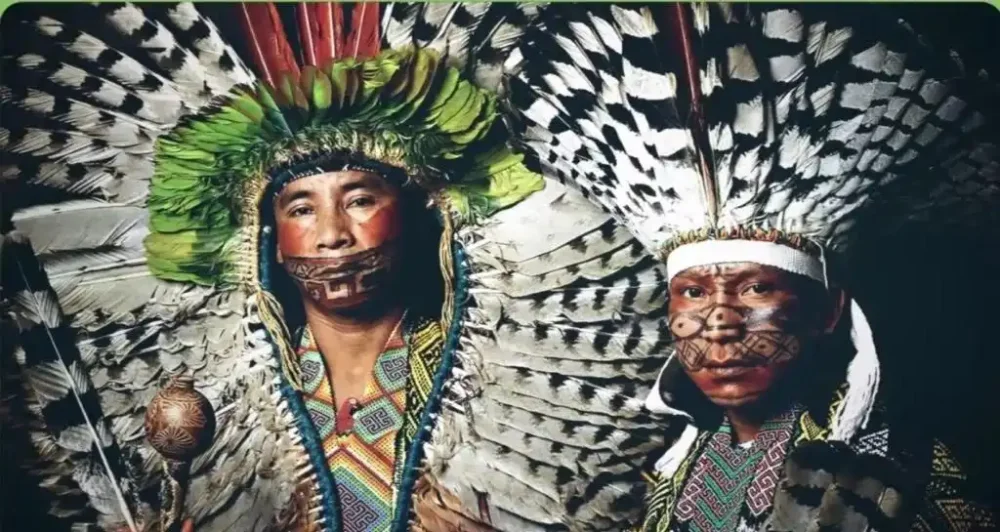
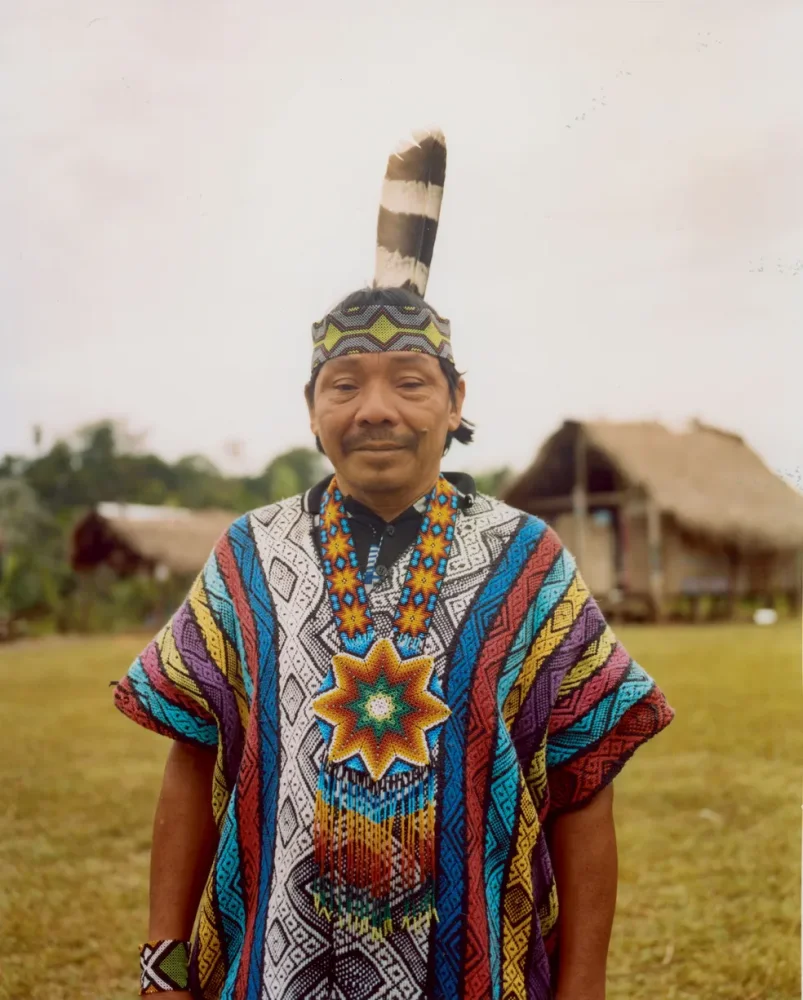
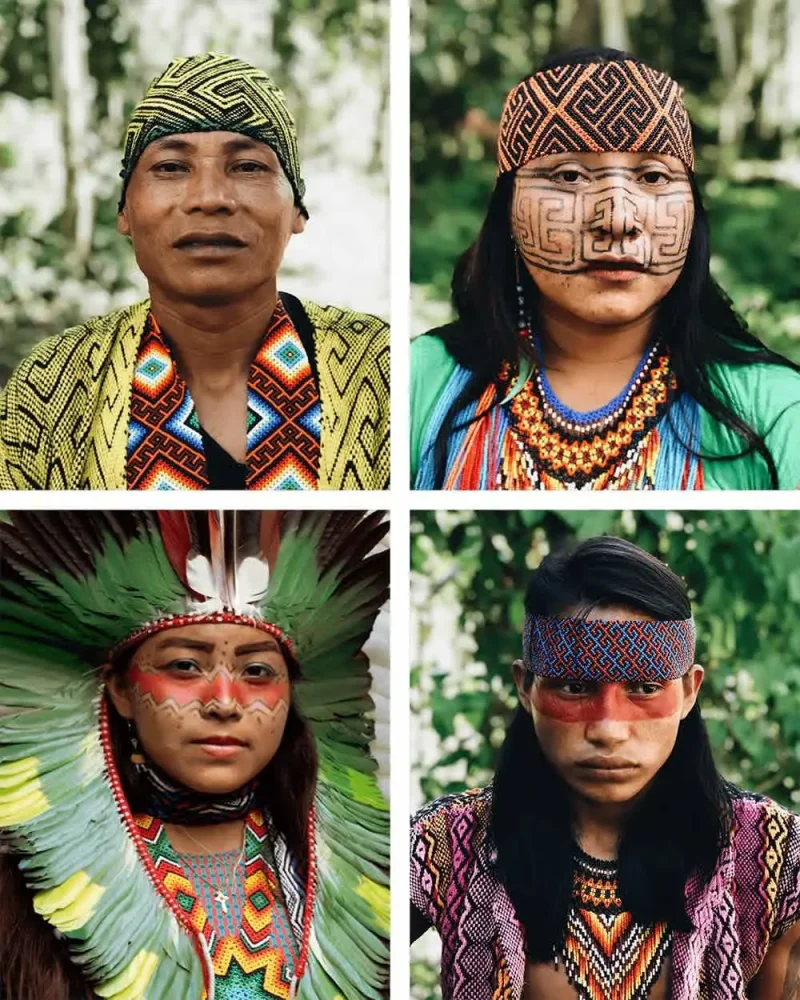
Kene are geometric patterns, and kene kuin means “the real pattern”. The Huni Kuin use them to decorate the body, textiles, baskets, pottery and even stools.
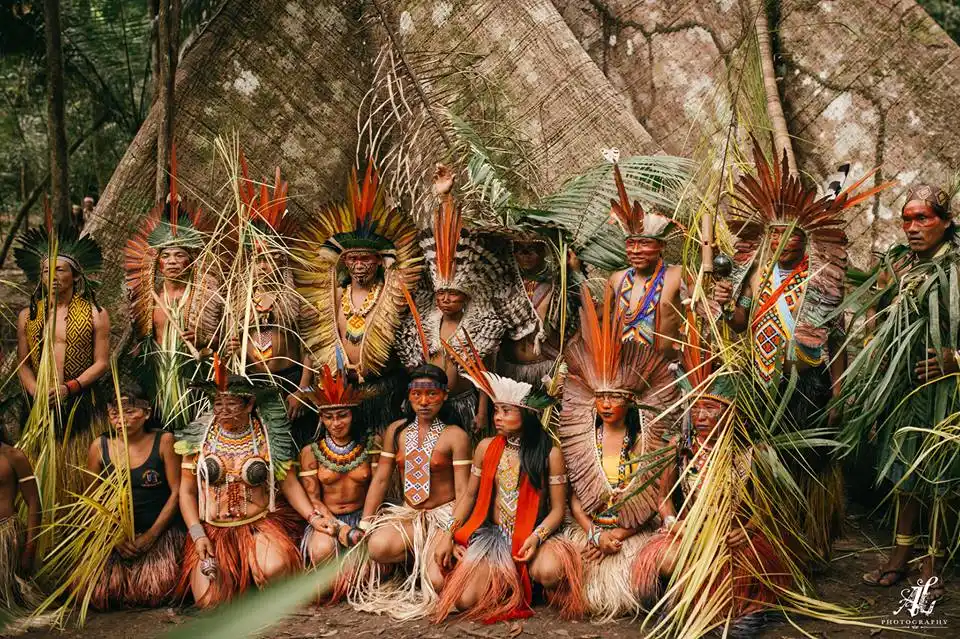
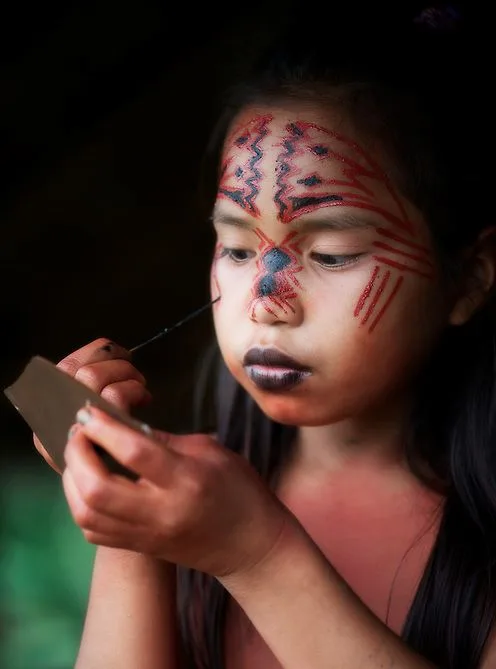
They appear most often during celebrations and at important moments of life. For the Huni Kuin, kene are not simply decoration. They are a language that connects people with the world of spirits, plants and animals, and knowledge of it is passed down mainly among women. During ceremonies the Huni Kuin often paint the body with natural dyes and wear feather ornaments.
Cosmology
What is yuxin in Huni Kuin cosmology?
Yuxin is a life and spiritual force that, according to the Huni Kuin, lives in people, animals and plants, and also in places such as rivers, lakes and trees. It is the central idea of their spiritual world.
In the tradition a person has a body (yuda), a shadow of the body and a spirit of the eyes. The power of a shaman is called muka. Shamans (mukaya) work directly with yuxin and keep the balance between the human world and the world of the forest, while healers (dauya) work with plants.
According to the tradition, only a true shaman can join the spirit of the community with the spirit of the forest and protect the village. The path there leads through long apprenticeship and a deep change guided by the plant kingdom.
These are traditional and symbolic ideas, not guaranteed effects.
Ceremonies
Which ceremonies do the Huni Kuin hold?
Three are described most often: Katxanawá, Nixpu pima and Txidin.
Katxanawá
Centred on a hollowed palm trunk. The halves of the community exchange hunted game and fish, and men and women ritually tease one another.
Nixpu pima
Held in the season of green maize. The children’s teeth are blackened, followed by a run, swinging in hammocks and a fast of several days.
Txidin
Held once a year or after the death of an important person. It is led by a female or male singer in ceremonial dress.
FAQ
Frequently asked questions
What does Huni Kuin mean? +
Is Kaxinawá the same as Huni Kuin? +
Where do the Huni Kuin live? +
How many Huni Kuin are there? +
What are kene? +
What is yuxin? +
Rapé
What role does Rapé play for the Huni Kuin?
Rapé has an important place in both everyday and ceremonial life. It connects the community with the spirits of the forest and accompanies songs and prayers.
In the tradition it is associated with focus and with hunting. Depending on their ingredients, individual blends are said to have a different character. You can read more about Rapé itself in our guide What is Rapé.
These are traditional and symbolic associations, not guaranteed effects.
Three Huni Kuin blends that stand out
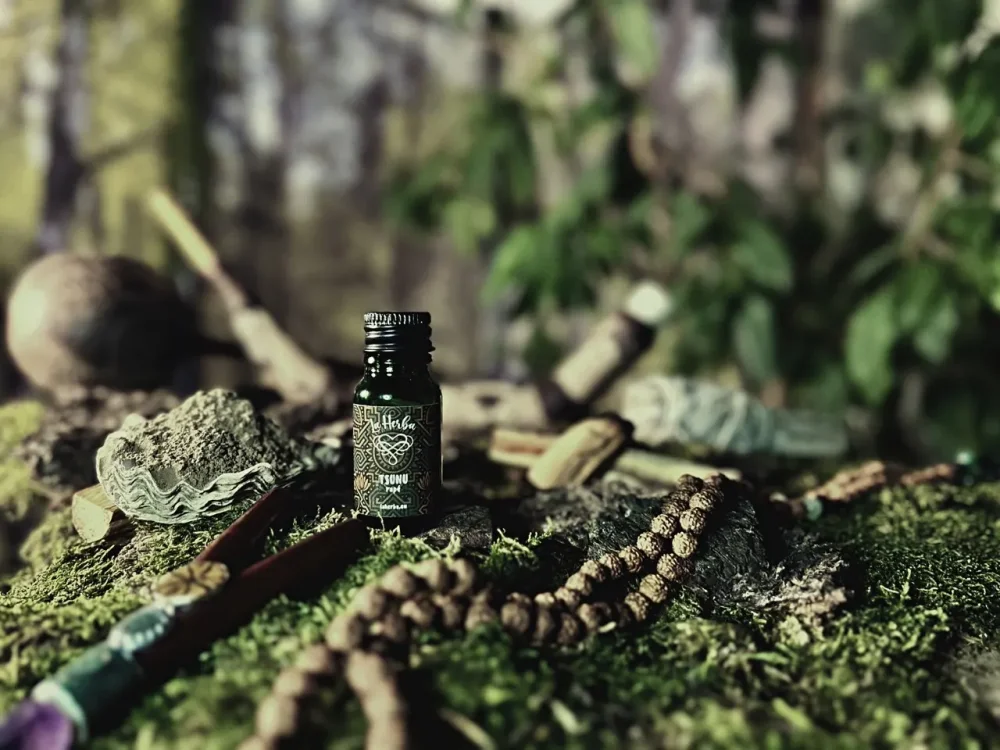
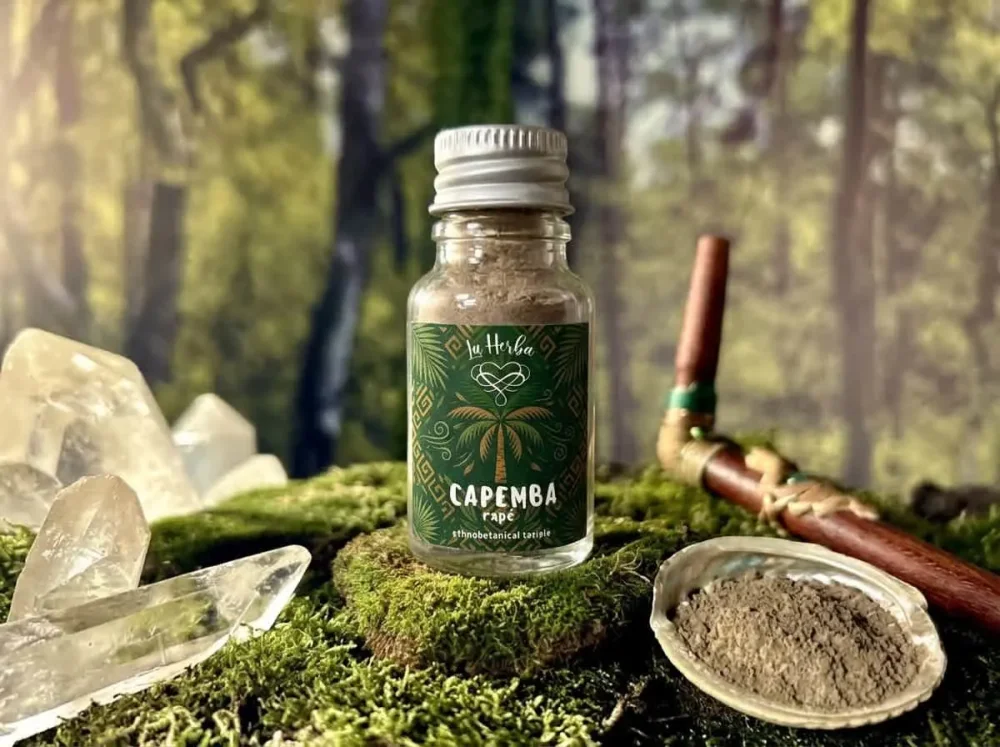
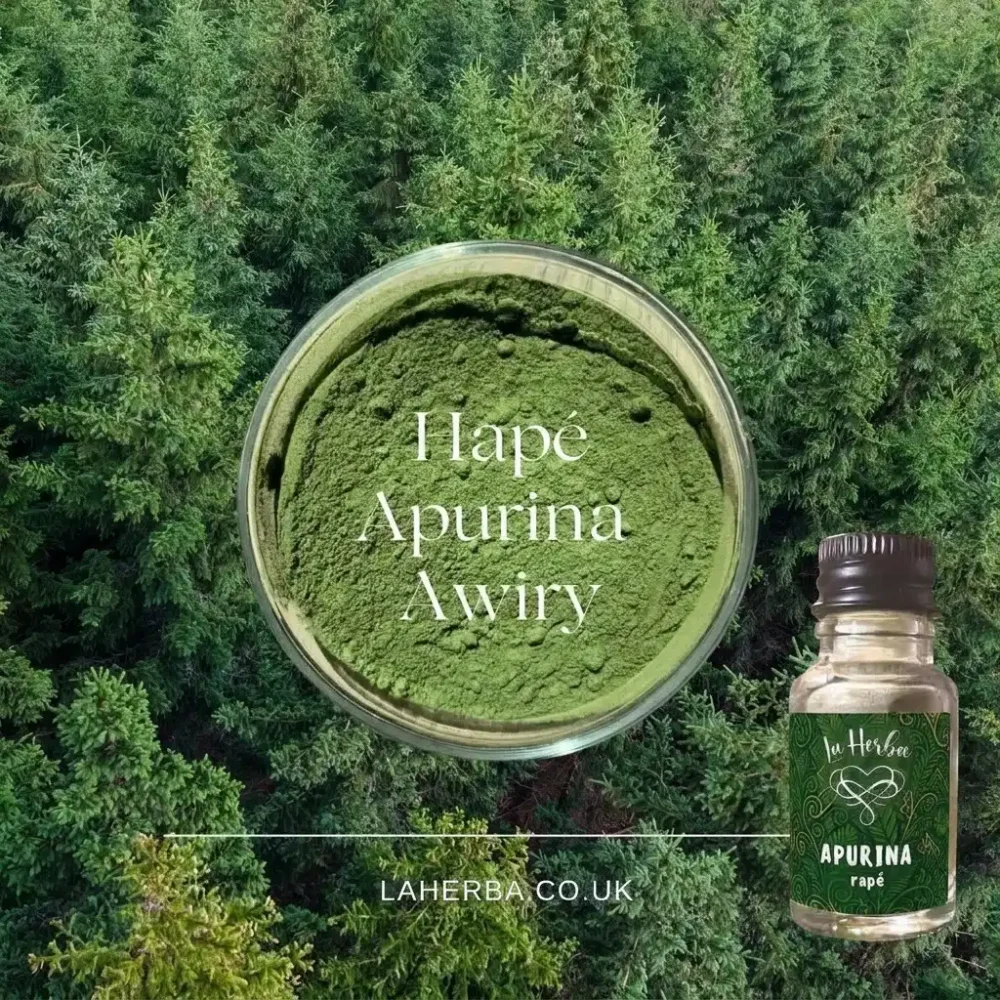
Intentions are La Herba’s orientation labels, not an Amazonian category and not a promise of effect.
A voice of the Huni Kuin
Who is Siã Kaxinawá?
Siã Kaxinawá is a respected leader and shaman from the Jordão river who publicly stands up for the rights of his people.
He took part in founding Indigenous organisations in Acre, including UNI/AC and the association ASKARJ, and he is active in the Alliance of Forest Peoples, which protects the rainforest and the rights of its inhabitants.
Video
The Huni Kuin on video
Not sure which blend to choose?
Write to us and we will help you compare the Huni Kuin blends by origin, ash base and character.
Contact La HerbaHaux e muita alegria!
Recommended products5
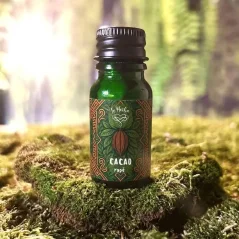
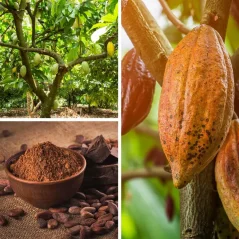
Cacau Huni Kuin Rapé
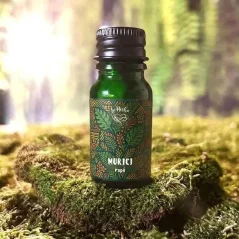
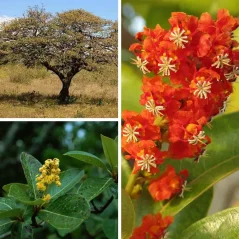
Murici Huni Kuin Rapé
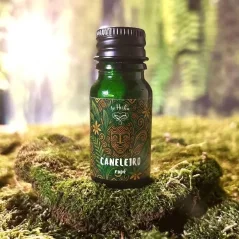
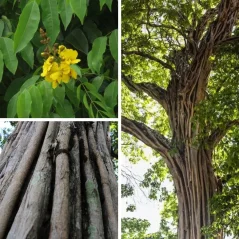
Caneleiro Rapé
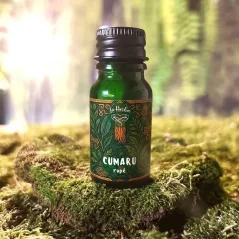
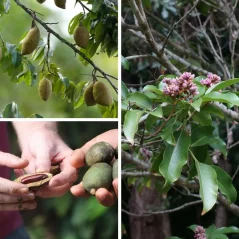
Cumaru Huni Kuin Rapé