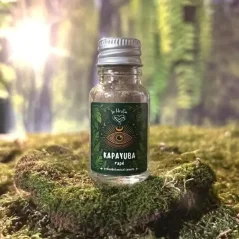
Shawadawa (Arara) tribe
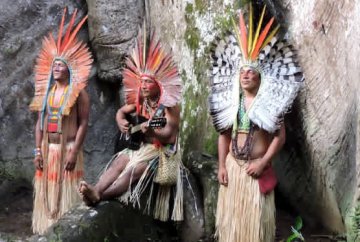
Shawãdawa (Arara):
A Story of Land, Language & Living Tradition
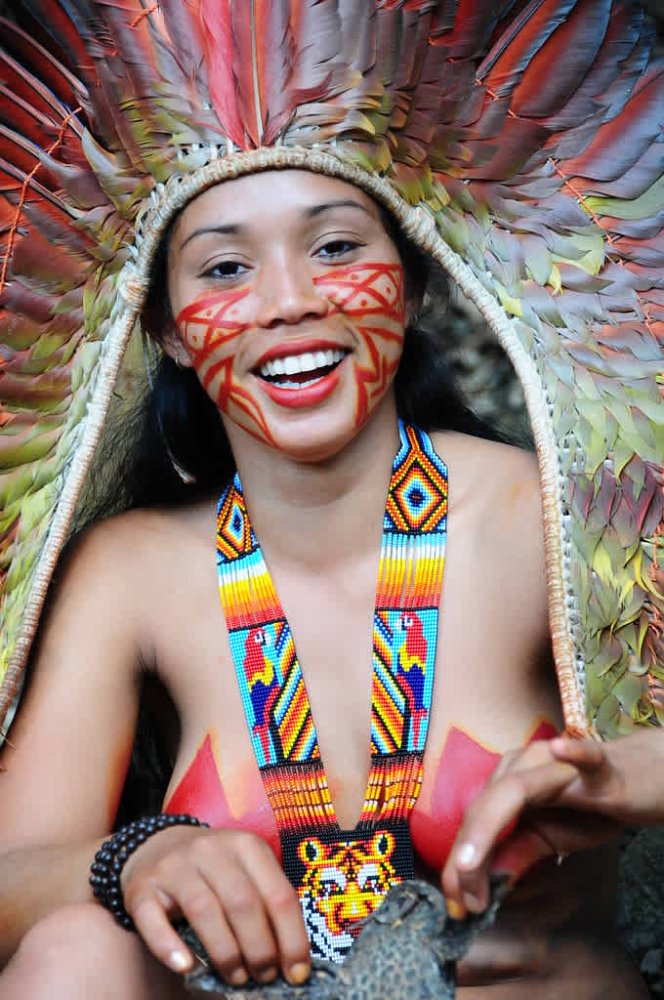
The Shawãdawa, also known as the Arara Shawãdawa, are an Indigenous people of Acre in the Brazilian Amazon. Their story is one of deep connection to the rainforest, cultural resilience and the ongoing protection of language, territory and ancestral knowledge.
More Than a Name
Shawãdawa is the self-designation of a people frequently referred to in historical documents as Arara. Their communities are rooted in the rivers, forests and tributaries of Acre, where knowledge of the landscape has been developed and passed on across generations.
For the Shawãdawa, the forest is not simply a resource — it is a living territory of memory, relationships and knowledge. Hunting, fishing, cultivation and gathering have traditionally formed part of a way of life closely shaped by the rhythms of the Amazon.
From Rubber Exploitation to Territorial Rights
From the end of the 19th century, the expansion of the rubber industry deeply affected Indigenous peoples throughout Acre. The Shawãdawa faced displacement, exploitation and pressure to enter the rubber economy, while their cultural life and social organisation were severely disrupted.
Despite this history, the community has continued to defend its connection to ancestral land. The recovery and protection of territory remains central to the continuity of Shawãdawa culture.
Reviving a Language
During the period of outside control and discrimination, many Shawãdawa people were discouraged from speaking their own language. As a result, Portuguese became the main language of many younger generations.
Since the 1990s, the community has worked to strengthen the teaching and use of its language. Language revitalisation is not only about preserving words; it is about restoring a connection to identity, stories and worldview.
Elders as Guardians of Tradition
Shawãdawa elders hold an important place in the community as guardians of stories, songs, myths and traditional knowledge. Their role is especially significant in passing cultural memory to younger people.
Rapé and Shawãdawa Tradition
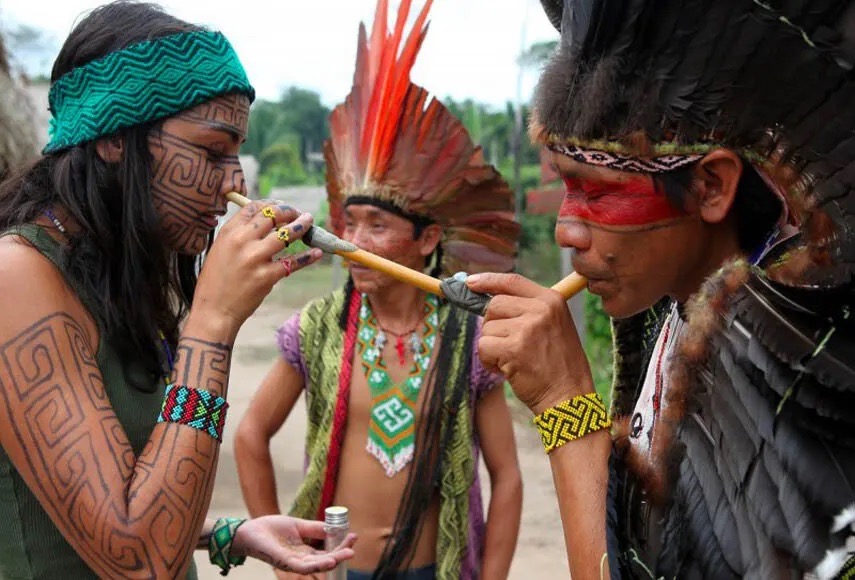
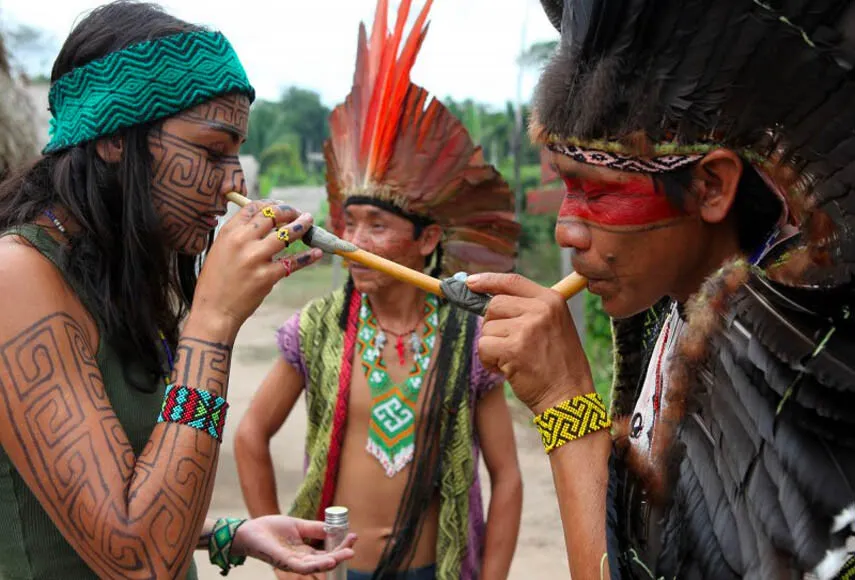
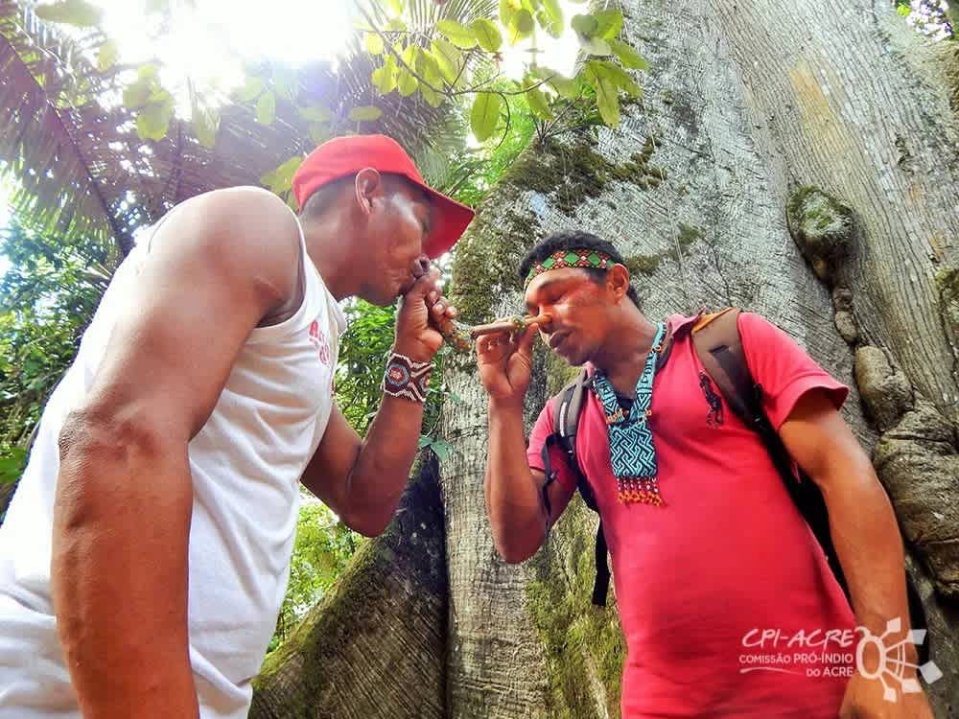
Rapé is a traditional tobacco preparation found in different forms among several Indigenous peoples of Amazonia. Historical records describe its presence within Shawãdawa practices in particular ritual and hunting contexts. It is important not to treat Amazonian traditions as one single practice: every people, preparation and ceremony has its own meaning and history.
The Hawk’s Feathers
One Shawãdawa origin story tells of a hawk whose feathers were placed in a basket. From the basket, Pano peoples emerged singing their names — including Shawãdawa, Yawanawá, Kaxinawá, Xaranawá, Duwanawá and Puyanawá.
The story expresses a sense of kinship and cultural proximity among different Pano peoples. It is not a historical record in the Western sense, but a living part of Shawãdawa cosmology and collective memory.
A Living Culture, Not a Distant Story
The Shawãdawa story continues today through people who protect their land, strengthen their language and pass on cultural knowledge to the next generation. Respect begins with recognising their right to tell their own story, in their own words and on their own terms.
Recommended products6


Sananga Shawadawa Medium


Sananga Shawadawa Forca

Vashawá Rapé


Sananga Shawadawa Light
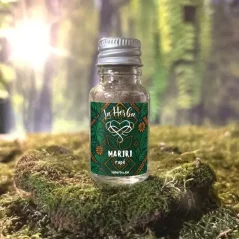
Mariri Rapé