Who Are the Kuntanawa? History, Culture and Traditions of an Amazonian People
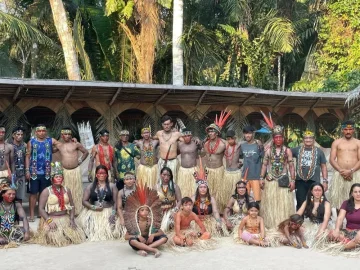
The Kuntanawa are one of the smallest Indigenous peoples of the Brazilian Amazon, yet their story is among the most remarkable. After facing near extinction during the Amazon rubber boom, they have spent recent decades rebuilding their cultural identity, protecting their ancestral lands and preserving traditions that were almost lost.
Today, the Kuntanawa are recognised not only for their commitment to safeguarding the Amazon rainforest but also for maintaining traditional knowledge of medicinal plants, ceremonial practices and community life that has been passed down through generations.
Where Do the Kuntanawa Live?
The Kuntanawa live in the western Brazilian state of Acre, primarily within the Alto Juruá region near the municipality of Marechal Thaumaturgo.
This remote part of the Amazon is home to several Indigenous peoples, including the Huni Kuin, Yawanawá, Nukiniand Shawãdawa, all of whom share deep cultural connections with the rainforest while maintaining their own distinct traditions.
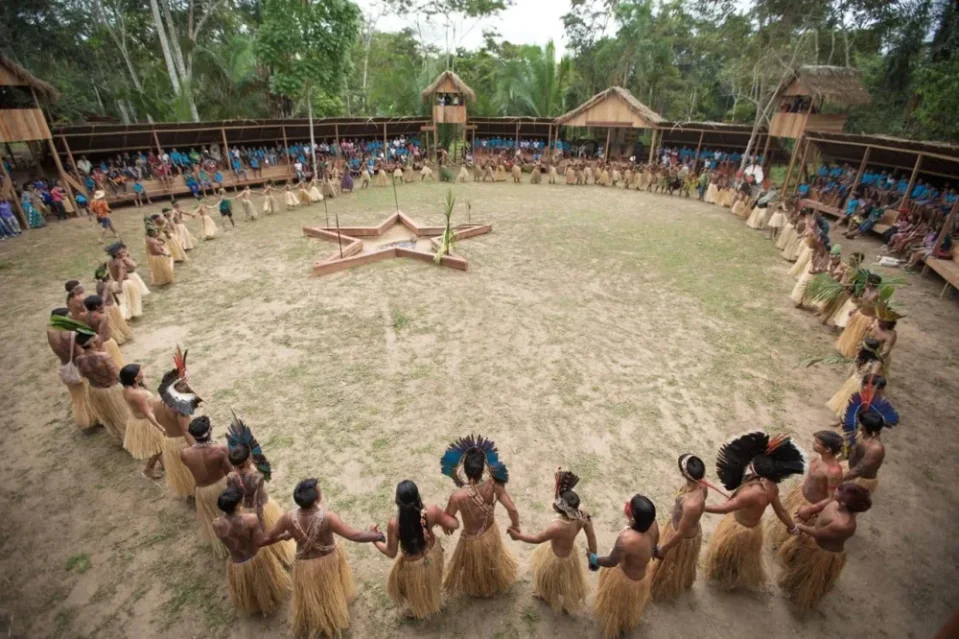
The Kuntanawa communities are located along the upper reaches of the Juruá river system, surrounded by one of the world's richest ecosystems. Like many Amazonian peoples, they live in small villages where daily life remains closely connected to the surrounding forest.
A History of Survival
The history of the Kuntanawa changed dramatically during the Amazon rubber boom of the late nineteenth and early twentieth centuries.
As global demand for natural rubber increased, large areas of the Amazon were occupied by rubber estates. Many Indigenous communities were forced from their ancestral territories, while others suffered violence, introduced diseases and forced labour.
The Kuntanawa were among those most severely affected. Their population declined dramatically, and for many years it was widely believed that the people had disappeared entirely.
The survival of only a small number of families allowed the community to endure. Today's Kuntanawa are descendants of those survivors, who worked to preserve their identity despite enormous challenges.
Rebuilding Cultural Identity
Although the Kuntanawa lost much of their original language during the twentieth century, they never abandoned their cultural identity.
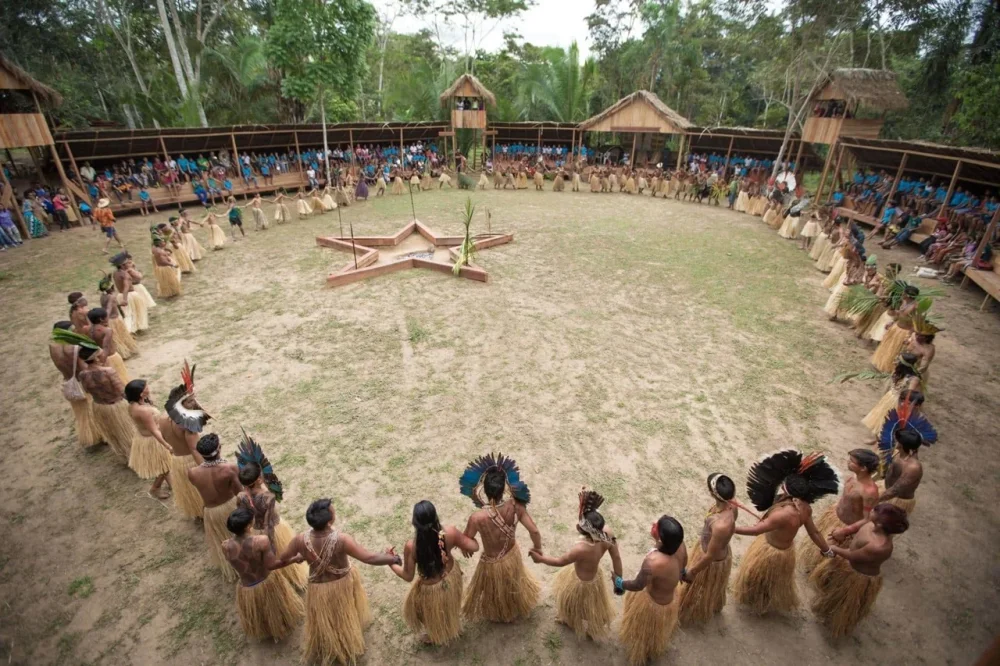
Over recent decades the community has focused on rebuilding traditional knowledge, strengthening relationships with neighbouring Indigenous peoples and reconnecting younger generations with their heritage.
There are also ongoing efforts to reconstruct elements of the original Kuntanawa language through historical records, oral history and collaboration with related Pano-speaking communities.
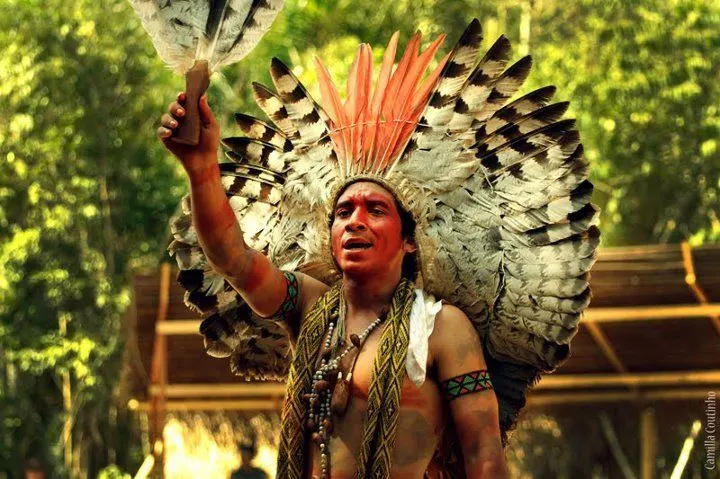
This cultural revival has become one of the defining characteristics of the Kuntanawa today.
What Does "Kuntanawa" Mean?
The name Kuntanawa originates from the Pano language family.
The word "kunta" refers to the fruit of the cocão palm (Attalea phalerata), while "-nawa" is commonly translated as "people" or "nation."
Together, the name can be understood as:
"The People of the Cocão Palm."
As with many Indigenous names throughout Amazonia, it reflects the close relationship between the community and the natural environment in which they have lived for generations.
Life in the Amazon Today
Modern Kuntanawa communities balance traditional knowledge with the realities of contemporary life.
Their work today focuses on:
- protecting Indigenous territories,
- preserving cultural traditions,
- educating younger generations,
- promoting sustainable use of forest resources,
- strengthening partnerships with neighbouring Indigenous communities.
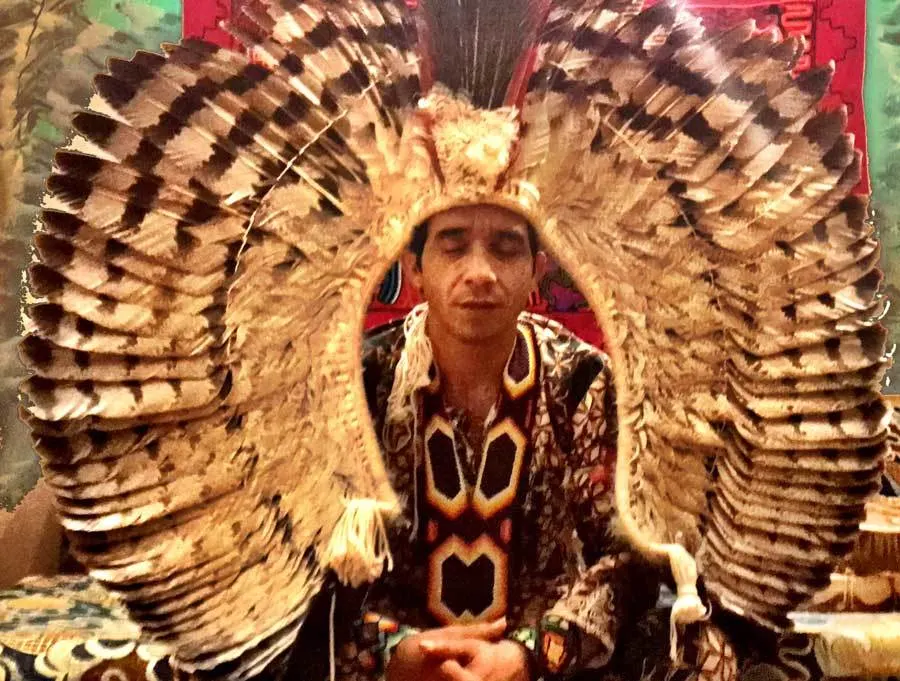
Elders continue to play an essential role by passing on stories, songs, ecological knowledge and ceremonial traditions.
Traditional Plant Knowledge
Like many Indigenous peoples of Amazonia, the Kuntanawa possess extensive knowledge of local plants and their traditional uses.
This knowledge has been transmitted orally for generations and forms an important part of everyday life as well as community ceremonies.
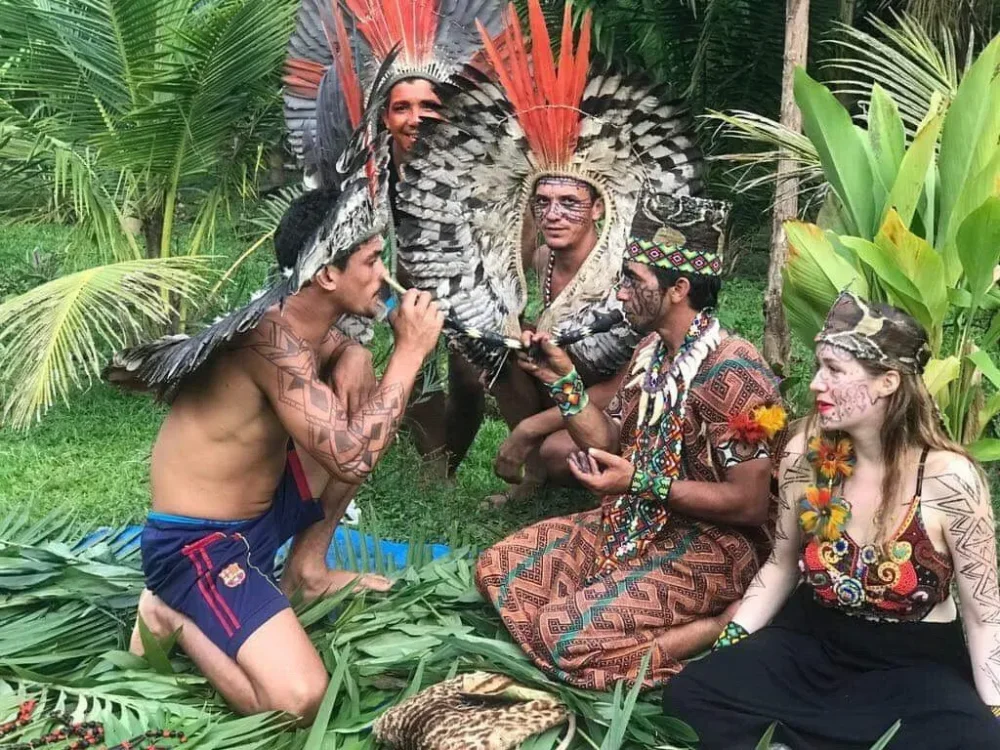
Among the best-known traditional preparations are Rapé and Ayahuasca, both of which have long histories within various Amazonian cultures. Their significance extends beyond the plants themselves—they are closely connected to spirituality, community traditions and cultural identity.
It is important to recognise that traditions differ between Indigenous peoples, and practices should never be assumed to be identical across all communities.
Rapé and the Kuntanawa Tradition
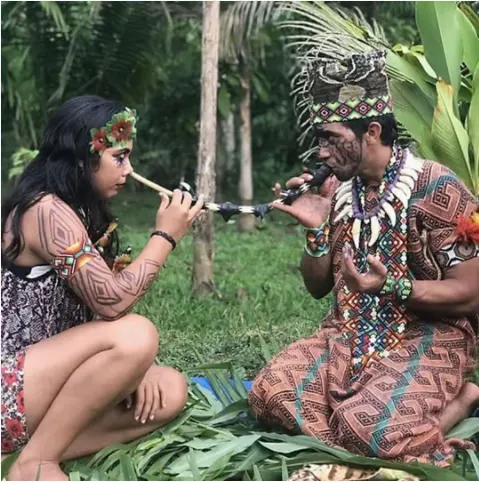
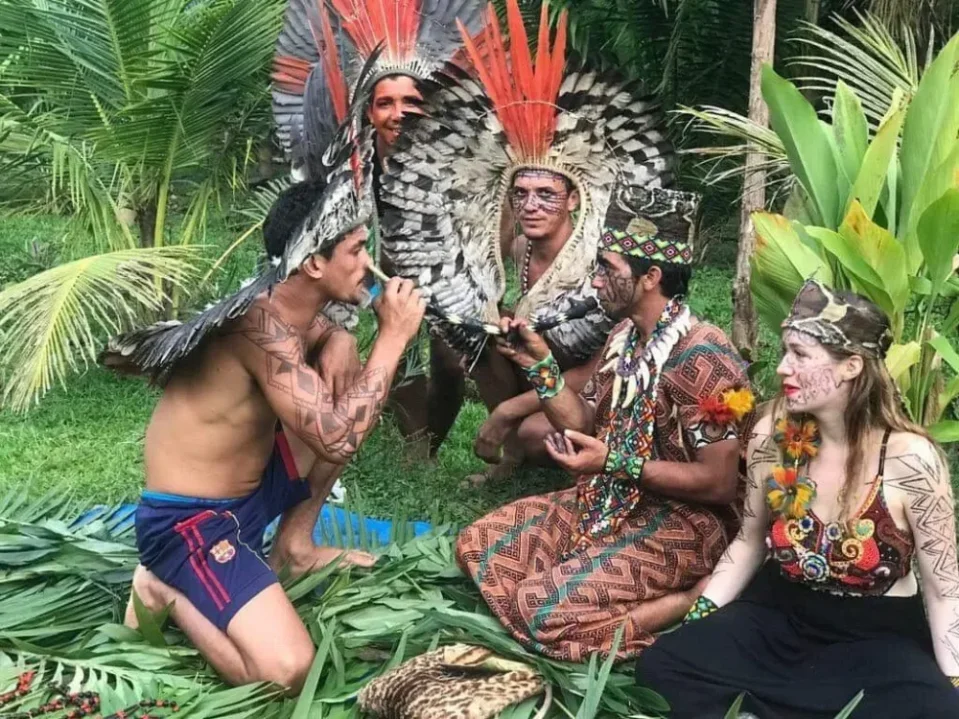
The Kuntanawa are among the Indigenous communities known for preparing traditional Rapé blends.
Recipes vary depending on the plants used, the ashes selected and local family traditions. These blends are prepared according to knowledge that has been preserved and passed down over generations.
Today, Kuntanawa Rapé is appreciated by practitioners around the world who value its traditional origins and the cultural heritage behind its preparation.
If you would like to learn more about Rapé itself, we recommend reading our guide:
What Is Rapé? Origins, Tradition and Traditional Use
Protecting the Amazon Rainforest
For the Kuntanawa, protecting the rainforest is inseparable from protecting their culture.
The forest provides food, building materials, traditional plant resources and the environment in which their knowledge has developed over countless generations.
Community leaders continue to advocate for the protection of Indigenous territories and sustainable management of Amazonian ecosystems, recognising that preserving the forest is essential for future generations.
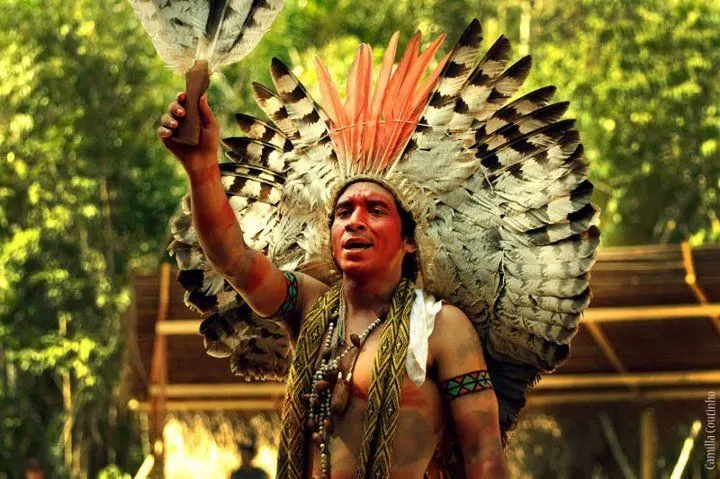
Quick Facts About the Kuntanawa
| Region | Acre, western Brazil |
| Language family | Pano |
| Main language today | Portuguese |
| Traditional territory | Alto Juruá |
| Population | Several hundred community members |
| Known for | Cultural revival, rainforest conservation, traditional Rapé |
Frequently Asked Questions
Who are the Kuntanawa?
The Kuntanawa are an Indigenous people from the Brazilian Amazon whose community has worked to rebuild its cultural identity after surviving the hardships of the rubber boom.
Where do the Kuntanawa live?
They live in the state of Acre in western Brazil, primarily within the Alto Juruá region.
What language do they speak?
Today, Portuguese is the primary language spoken by the community, while efforts continue to preserve and reconstruct elements of their original language.
Are the Kuntanawa related to the Huni Kuin?
Both belong to the wider Pano language family and share certain regional connections, but they are distinct Indigenous peoples with their own histories, traditions and cultural identities.
Do the Kuntanawa traditionally prepare Rapé?
Yes. The Kuntanawa are among the Indigenous communities that traditionally prepare Rapé according to their own knowledge and family traditions.
Conclusion
The story of the Kuntanawa is one of resilience, cultural renewal and a continuing commitment to protecting both their heritage and the Amazon rainforest.
Despite the challenges they faced during the twentieth century, the community has rebuilt many aspects of its cultural identity while continuing to share traditional knowledge with future generations.
Understanding the Kuntanawa also helps us appreciate the diversity of Indigenous cultures across Amazonia, where each people has its own unique history, traditions and relationship with the natural world.