The Nukini tribe from Acre, Brazil
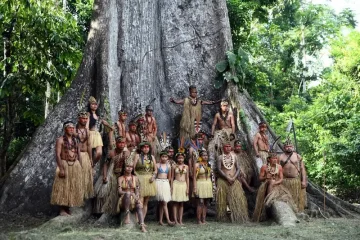
The Nukini tribe, often called the "People of the Jaguar," ranks among the most resilient indigenous groups inhabiting the Brazilian state of Acre, deep in the heart of the Amazon rainforest. Their culture is deeply rooted in a symbiosis with the surrounding nature, where every tree, every vine, and every animal carries a unique spiritual wisdom.
This tribe, who speak a language belonging to the Pano family, has maintained its identity and spiritual knowledge despite a brutal history. Let's dive into the world of the Nukini, their sacred medicines, and understand why their legacy remains vital for global spirituality today.
Origin and History: The Silent Survivors of the Amazon
The Nukini tribe lives in Acre, Brazil, and belongs to the Pano linguistic family. The tribe has more than 750 members, although other sources suggest a total count of over 900 members.
Members suffered heavy losses during the history of the rubber industry, when many tribal members were enslaved or massacred. A large part of their original culture, including their language, was lost or dispersed, and the entire ethnic group was nearly wiped out. However, the Nukini managed to survive, unite with other ethnic groups and tribes, and rebuild a strong socio-economic structure. This facilitates their close connection with the surrounding nature, even though the environment is currently in decline. Unlike the larger Amazonian tribes, the Nukini primarily assess members of other tribes based on their knowledge of plants and skills in gathering and blending herbs.
Geographical Location and Community
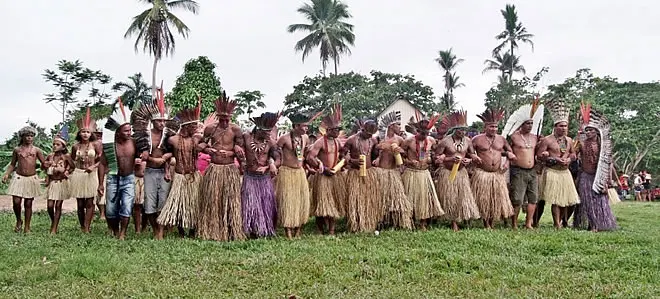
The Nukini tribe primarily lives in the western part of the Brazilian state of Acre, near the border with Peru. Their ancestral territory, Terra Indígena Nukini, stretches across the Môa and Juruá river basins and forms part of a large mosaic of protected areas known for their exceptionally high biodiversity.
The Nukini tribe mostly speaks their mother tongue, the Nukini language. Despite the fact that the language was considered endangered in the 20th century, community schools are striving to revitalize and preserve it. Portuguese is also quite commonly understood among the members, which is a legacy of history.
History and the Rubber Boom
The history of the Nukini tribe, like many other Pano tribes, is marked by the period of the rubber boom (late 19th and early 20th centuries). This period brought violent colonization, land expropriation, enslavement, and massive population losses due to disease and exploitation.
Despite this nearly devastating history, the Nukini maintained a strong sense of identity, cultural pride, and resilience. Their ability for adaptation and cultural continuity lies in their deep ancestral knowledge and spirituality.
Spirituality and the Jaguar Archetype
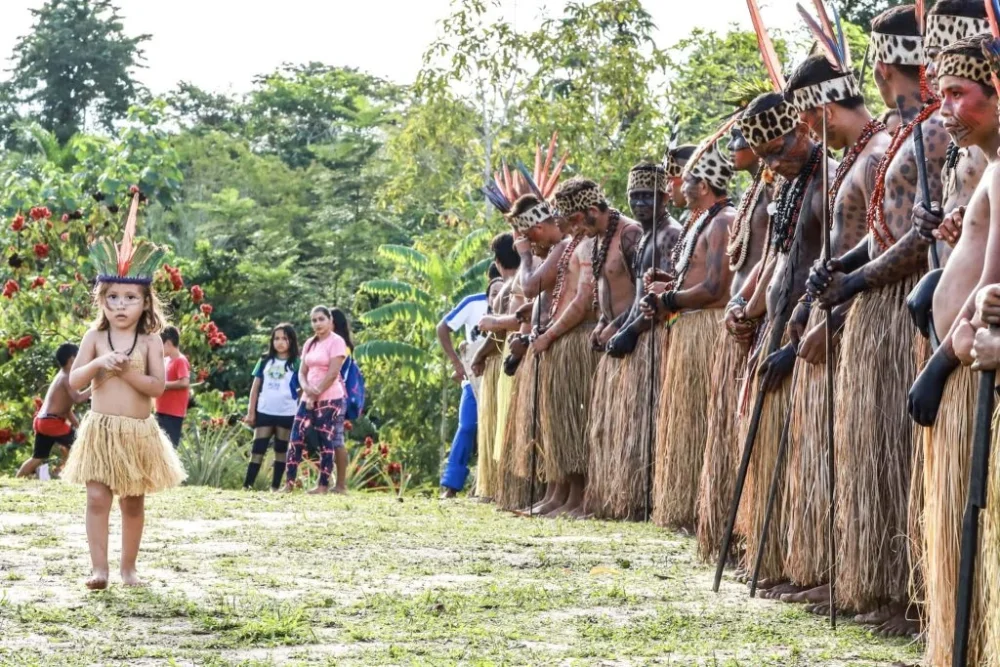
Spirituality is a central pillar of Nukini culture, deeply intertwined with their relationship with the natural world. They believe in the interconnectedness of all living beings and the importance of maintaining harmony and balancewithin the environment.
The Pajés and Sacred Medicines
The spiritual practices of the tribe are led by shamans, known as Pajés, who serve as intermediaries between the human and spirit worlds. The Pajés possess profound knowledge of medicinal plants, rituals, and ceremonies, which they use to promote physical, emotional, and spiritual well-being.
Sacred plant medicines play a key role in their ceremonies:
-
Ayahuasca: A potent psychoactive brew used for communing with spirits, seeking guidance, and deep work.
-
Sananga: Medicinal drops made from Amazonian plants, used to cleanse vision and enhance spiritual clarity.
-
Rapeh: Fine powder that is central to the purification of the mind, body, and energetic center.
Totem of Power: The Jaguar
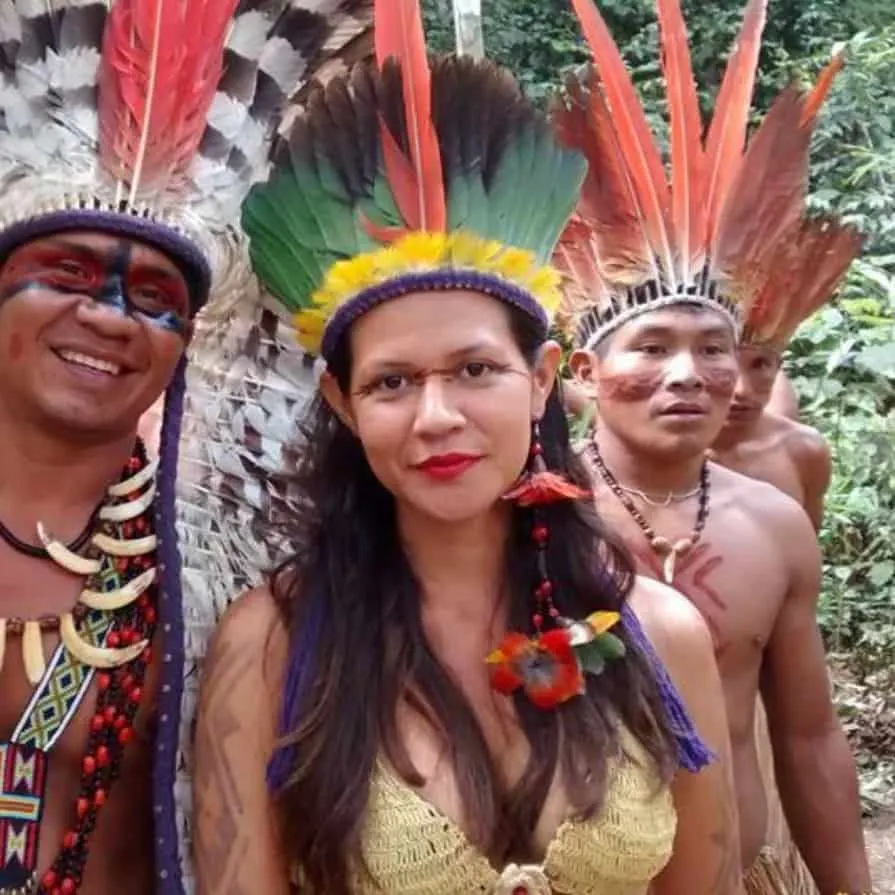
The Nukini are closely linked with the spirit of the Jaguar (Onça). The Jaguar is revered in Amazonian cosmology as a powerful totem that embodies:
-
Strength and Agility: Physical and spiritual dominance.
-
Vision and Silence: The Jaguar is a predator that acts with maximum precision, focus, and clear intention. Silent alertness precedes action.
-
Connection to Worlds: In some traditions, the jaguar is viewed as a being capable of moving between the physical world and the underworld (the realm of the ancestors).
The Mastery of Rapeh: Nukini as Innovators
The Nukini are regarded as masters of Rapeh, with their blends known for their strength, quality, and grounding effect. Their Rapeh is the result of a long, ritual process in which shamans infuse the mixtures with prayers and reverent intention toward the plant spirits.
Characteristics of Nukini Forca Rapeh
The blends from this tribe are valued for:
-
High Potency and Deep Cleansing: The mixtures are robust and effective, ideal for energetic cleansing of blockagesand negative thoughts.
-
Grounding Effect: Nukini Rapeh induces a state of calm, grounding, and vigilant awareness.
-
Emotional and Physical Balance: The blends (such as Rapeh Forca) are ideal for seeking balance on all levels—emotional, physical, and mental.
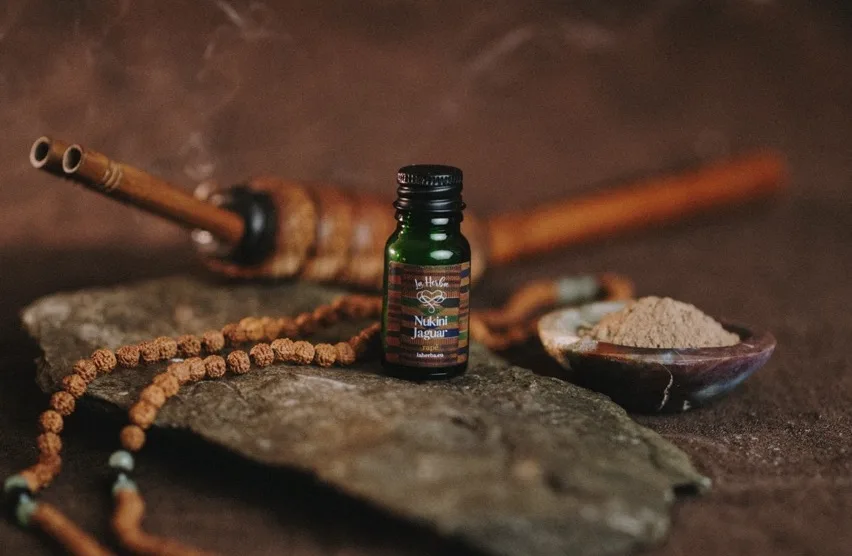
Specific Blends (Examples of Innovation):
The Nukini tribe is also known for its innovation and the incorporation of non-traditional plants to enrich their Rapeh, for example:
-
Rapeh Jaguar: (Strong masculine energy and focus) – A blend embodying the jaguar archetype, supporting precision and protection.
-
Rapeh Eucalypto: (Freshness and clarity) – A blend using eucalyptus, prized for its powerful respiratory and cleansing effects, demonstrating the Nukini's ability to adapt and integrate new plants into their rituals.
-
Rapeh Sansara: (Feminine power and healing) – A blend carrying the imprint of feminine wisdom and resilience, often associated with headache relief and clearing negative energies.
The Nukini Today: Preservation and Transmission
Today, the Nukini, like other Amazonian tribes, face ongoing challenges—from illegal deforestation to the disruption of their traditional territories.
The sale of their traditionally prepared Rapeh and other ethnobotanical products, such as Sananga and Ayahuasca, allows the tribe to achieve:
-
Economic Sustainability: Supports the community and improves living conditions without having to abandon their land.
-
Cultural Preservation: Allows for the transmission and maintenance of the ancient knowledge held by the Pajés and artisans.
Involvement in the Fair Trade system ensures that wood, ash, and plants are harvested ethically and with respect, and that the profit returns directly to the community.
The Nukini are a living testament to the strength and depth of the Amazonian tradition, reminding us that the greatest power, vision, and harmony are found in the silent, grounded connection with Nature. Their Rapeh is not just a tool for purification, but a bridge to this ancient, indestructible source of strength.
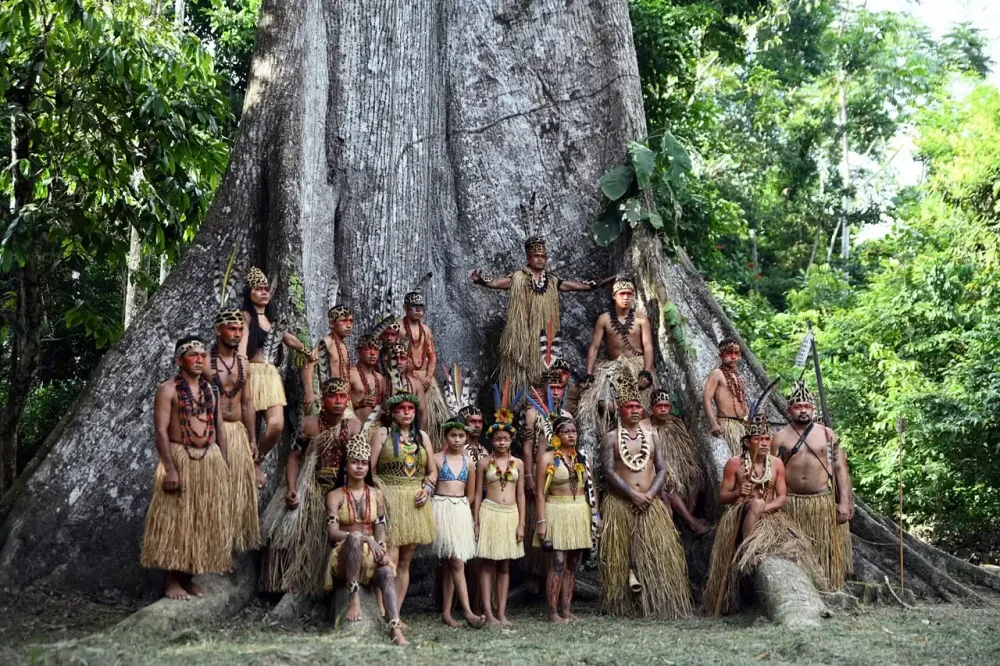
Contemporary Life: Between Tradition and Adaptation
Today, approximately 750-900 members of the Nukini tribe continue to inhabit their ancestral territory, Terra Indígena Nukini, in the western part of Acre state, near the border with Peru. Their community is spread across several streams—Timbaúba, Meia Dúzia, República, and Capanawa—and along the left bank of the Môa river, within the municipality of Mâncio Lima.
Daily Life and Community Structure
The Nukini maintain a multi-generational family structure, with several generations often living under one roof. This communal living arrangement creates a strong sense of mutual care and collective responsibility. Elders and shamans hold leadership positions within the tribe, revered not only for their spiritual knowledge but also for their understanding of traditional laws and practical wisdom about living in harmony with the forest.
Decision-making within the Nukini community is notably democratic, with important matters discussed collectively rather than imposed from above. Chief Paulo Nukini, who has led the "Jaguar people" for over 20 years, embodies this collaborative leadership style. As he explains, his grandfather taught him as a child how to listen to the jungle and how to guide his people toward harmony—both among themselves and with the land they inhabit.
Cultural Revitalization
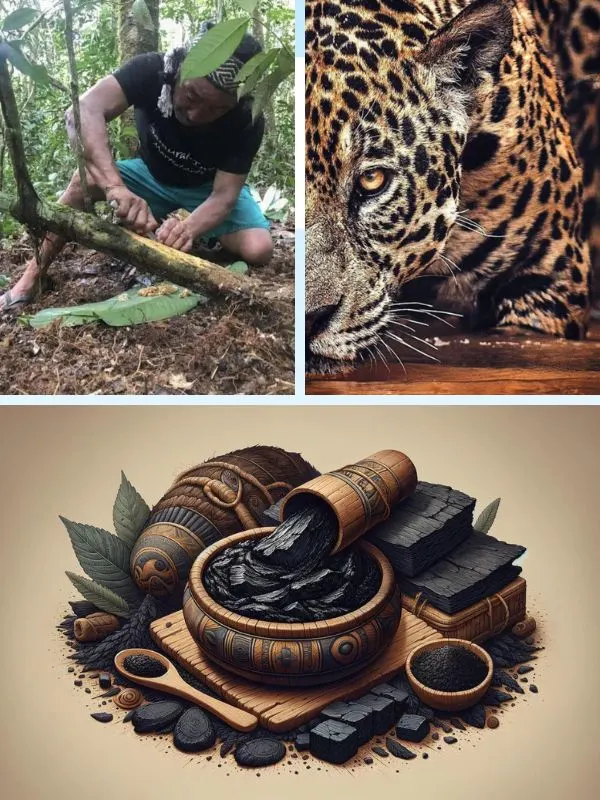
One of the most remarkable aspects of contemporary Nukini life is their cultural resurgence. After nearly losing their language and ceremonial traditions during the rubber boom era, the Nukini have undertaken a powerful revival of their ancestral knowledge. This renaissance has been led in part by younger generation leaders like Chief Xiti of the Recanto Verde community in Serra do Divisor National Park, who has dedicated himself to preserving and transmitting traditional Rapé-making techniques, songs, and spiritual practices.
The role of women in this cultural revival is particularly significant. Unlike many Amazonian tribes where medicine-making is primarily a male domain, Nukini women are the principal creators and guardians of Rapé knowledge. They prepare many of the tribe's most refined blends, infusing them with what practitioners describe as a uniquely feminine energy—gentle, nurturing, and emotionally attuned. This matriarchal aspect of Rapé preparation is central to Nukini spiritual identity.
Language and Education
While the Nukini language (part of the Pano linguistic family) was nearly lost due to discrimination and forced assimilation, community schools are now working to revitalize it. However, Portuguese remains the primary language for younger generations. This linguistic shift represents both a loss and an adaptation—enabling the Nukini to engage with the wider Brazilian society while working to preserve their linguistic heritage.
Economic Sustainability and Fair Trade
The Nukini face the ongoing challenge of maintaining their traditional way of life while generating income to meet modern needs. The ethical sale of traditionally prepared Rapé, Sananga, and handcrafted items provides:
- Economic independence without having to abandon ancestral territories
- Cultural preservation through continued practice and transmission of traditional knowledge
- International recognition of their spiritual wisdom and botanical expertise
Through Fair Trade partnerships, the Nukini ensure that their sacred medicines are harvested sustainably, prepared with respect, and that profits return directly to the community. This creates a bridge between their ancestral practices and contemporary economic realities.
Contemporary Challenges
Despite their resilience, the Nukini continue to face significant pressures:
- Territorial disputes: The tribe has been calling for expansion of their official territory to include parts of Serra do Divisor National Park, their traditional homeland
- Deforestation: Illegal logging and land clearing threaten the biodiversity upon which their traditional knowledge depends
- External influences: Balancing cultural preservation with the inevitable changes brought by contact with modern Brazilian society
Spiritual Practice in Modern Context
In contemporary Nukini life, traditional spiritual practices remain central. The tribe continues to use Rapé almost daily—different blends for different purposes, from relaxing varieties to stimulating ones that provide strength for the day's activities. Ayahuasca (which they call "uni") ceremonies are held regularly, attended by all tribe members and sometimes by respectful visitors.
Erison Nukini, a spiritual leader from Recanto Verde, articulates this integration: "Rapé, paintings, songs, and uni (ayahuasca) are an essential part of my spiritual vision." These practices are not museum pieces but living traditions that continue to guide daily life, heal illness, and maintain the tribe's connection to the forest and its spirits.
The Nukini also maintain their cultural expressions through handicrafts—creating beautiful necklaces, bracelets, and earrings from seeds, bones, and other natural materials found in the jungle. They dance the mariri (a traditional Pano dance) and sing numerous indigenous songs, some composed by contemporary Nukini and others inherited from their elders.
Looking Forward
The Nukini's story is one of remarkable resilience—a people who survived near-extinction during the rubber boom, endured cultural suppression, and are now actively revitalizing their traditions for future generations. Their ability to maintain spiritual identity while adapting to contemporary realities offers a powerful example of indigenous persistence and wisdom.
Through education, cultural practice, and sustainable economic partnerships, the Nukini continue to protect not only their own way of life but also the rainforest ecosystem that sustains it. Their intimate knowledge of forest medicines and their lived example of harmonious coexistence with nature hold lessons increasingly relevant to a world facing ecological crisis.
Haux e mta alegria!
DISCLAIMER
"This article is provided for educational and informational purposes only. All products are sold as ethnobotanical specimens for research, collection, and educational purposes. This content does not constitute medical advice, and products are not intended for consumption or therapeutic use."