Sustainable Ethnobotanical Practices
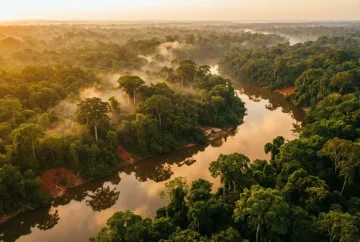
As global demand for Amazonian plant medicines grows, serious sustainability challenges emerge. Overharvesting threatens sacred wild plant populations while indigenous knowledge faces erosion. This article explores the real pressures behind ethnobotanical sustainability, the difference between wild-harvested and cultivated plants, and practical guidance for making ethical purchasing decisions that support both ecosystems and indigenous communities.
The growing global interest in Amazonian plant medicines—from Rapeh and Ayahuasca to Sananga and Dragon's Blood—has created unprecedented demand for ethnobotanical products. While this attention brings economic opportunities to indigenous communities, it also poses serious sustainability challenges. Overharvesting threatens wild populations of sacred plants, particularly near tourism hubs in Peru and Brazil, where some traditionally abundant species are becoming increasingly difficult to find.
As consumers, we have the power to support sustainable practices that protect both plant biodiversity and indigenous knowledge. This guide explores the real challenges facing ethnobotanical sustainability and provides practical guidance for making ethical purchasing decisions.
What You Will Learn
- Current sustainability challenges facing Amazonian ethnobotanicals
- The difference between wild-harvested, cultivated, and sustainably sourced plants
- How to identify ethical suppliers and responsible businesses
- Practical steps you can take as a consumer to support sustainability
- The role of indigenous communities in conservation efforts
The Reality of Overharvesting: A Case Study
The Ayahuasca Sustainability Crisis
Banisteriopsis caapi, the ayahuasca vine, provides a clear example of sustainability challenges. In Peru's Iquitos and Pucallpa regions—global epicenters of ayahuasca tourism—collectors report traveling increasingly far into the jungle to find mature vines. What was once a two-hour journey now takes full days.
The numbers are significant: Peru exports several tons of B. caapi each month to Costa Rica, Mexico, the United States, and Europe. With approximately 120 ayahuasca centers operating around Iquitos alone, and tens of thousands of international visitors annually, the pressure on accessible wild populations is substantial.
However, the situation isn't uniform across the Amazon. In Colombia, indigenous Cofan communities who have cultivated yagé (their name for ayahuasca) for generations report no shortage. In Brazil, large-scale cultivation by Santo Daime and União do Vegetal churches has created sustainable supply chains that meet their significant needs without depleting wild populations.
The contrast is telling: regions with commercialization and export face scarcity, while those with traditional management systems and cultivation maintain abundance.
The Rapeh Example
Traditional Rapeh (sacred snuff) faces similar pressures, though the challenges differ. While the primary ingredient—Nicotiana rustica tobacco—can be cultivated relatively quickly, many Rapeh blends contain ashes from specific medicinal trees. Some of these trees, like Tsunu (Platycyamus regnellii), grow slowly and require decades to reach harvestable size.
As demand from Western markets increases, there's growing concern about the sustainability of collecting tree bark and other materials from wild populations, particularly in easily accessible areas.
Understanding Sustainable Harvesting
What Makes Harvesting Sustainable?
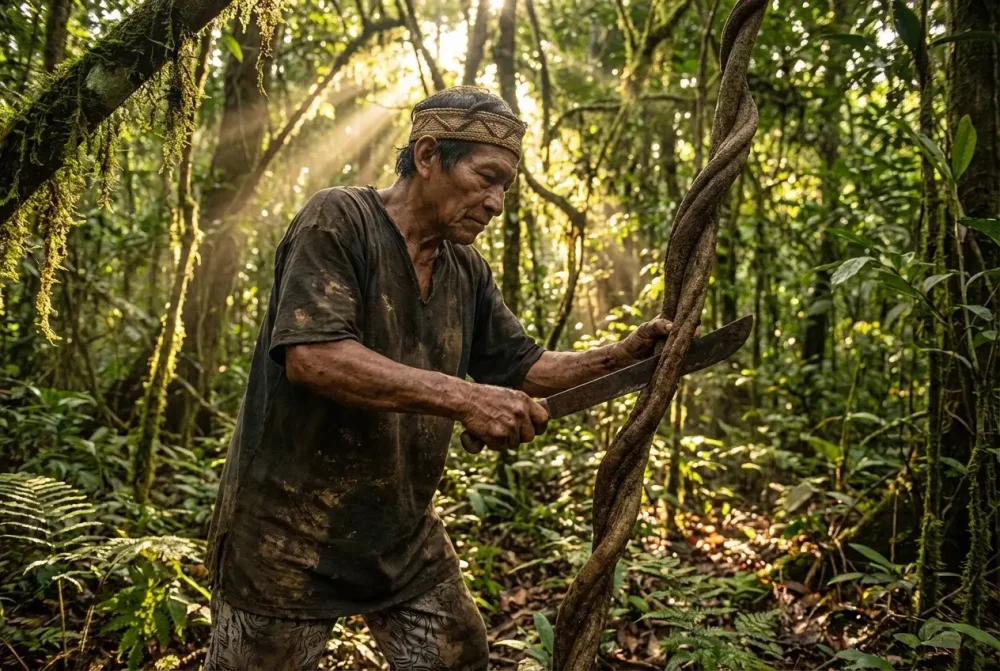
Sustainable harvesting balances human use with ecological regeneration. For ethnobotanical plants, this involves several key principles:
Population Health: Harvesting only from abundant, healthy populations—never from rare, threatened, or stressed plants.
Conservative Take: Following the "10-20% rule"—removing no more than 10-20% of a healthy stand, and only when the plant can regenerate from what remains.
Proper Technique: Using methods that allow plant recovery. For vines like B. caapi, this means cutting sections while leaving roots intact so the plant can regrow.
Multi-Year Recovery: Rotating harvest sites and allowing adequate recovery time. B. caapi requires minimum 5 years to maturity; sustainable harvesting means waiting 7-10 years or longer.
Timing Matters: Harvesting at appropriate seasons when plants have maximal active compounds and when harvesting causes minimal stress.
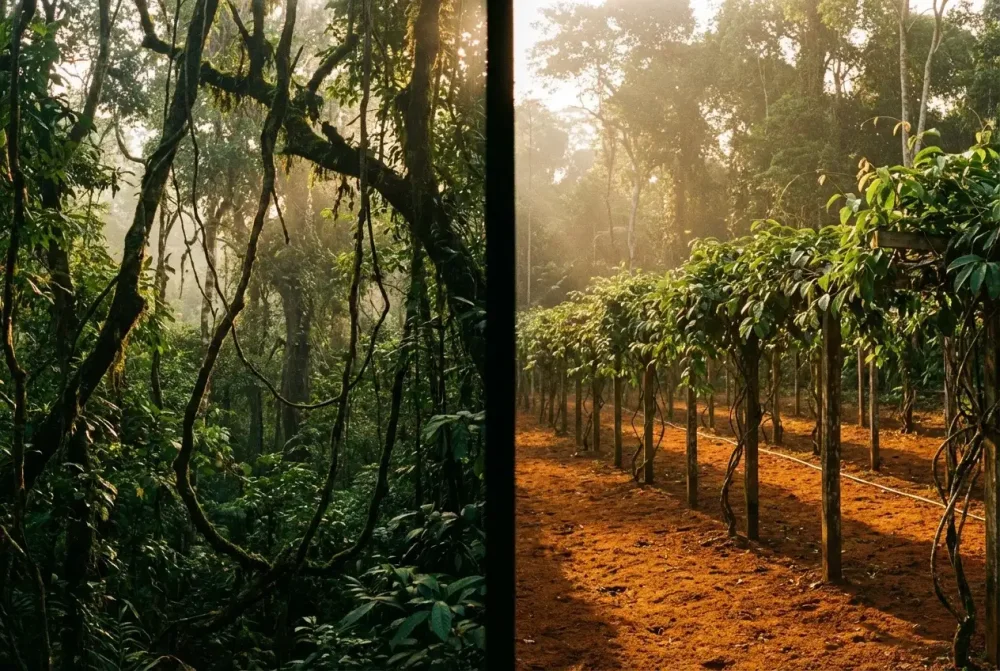
Wild-Harvested vs. Cultivated
Wild-Harvested:
- Traditional method used for millennia
- Can be sustainable with proper management
- Maintains genetic diversity
- Requires extensive knowledge of plant locations
- Vulnerable to commercial pressure and over-exploitation
Cultivated:
- Reduces pressure on wild populations
- Allows traceability and quality control
- Can be scaled to meet demand
- May lack spiritual connection some traditions value
- Requires time investment (5-10 years for some species)
The Reality: Most sustainable operations use a combination—cultivation for base supply, supplemented by carefully managed wild harvesting for genetic diversity and traditional varieties.
The Indigenous Knowledge Crisis
Loss of Traditional Management
For thousands of years, indigenous Amazonian communities managed plant resources through sophisticated systems of sustainable use. These practices included:
- Territorial rotation systems
- Seasonal harvest restrictions
- Sacred sites where harvesting was prohibited
- Knowledge of which plant parts could be taken without killing the organism
- Ceremonial protocols that ensured respectful, limited use
As commercialization accelerates, these traditional management systems face erosion. Younger generations may see greater economic incentive in intensive harvest for market sale than in maintaining ancestral practices designed for long-term sustainability.
Documentation vs. Exploitation
Ethnobotanical research plays a paradoxical role. While documentation preserves endangered knowledge and can inform conservation strategies, it also makes traditional knowledge more accessible to commercial interests.
The challenge: how to honor and preserve indigenous knowledge while preventing its exploitation for profit by entities that don't support or compensate source communities.
Current Threats to Sustainability
Commercial Pressure
The ayahuasca and ethnobotanical product industries now operate on a commercial scale far beyond traditional ceremonial use. This creates several problems:
Export Markets: Significant quantities of raw materials leaving source countries to supply international ceremonies and retreat centers.
Tourism Impact: Concentration of hundreds of retreat centers in specific regions creates localized pressure on plant populations.
Price Incentives: Rising prices encourage intensive, unsustainable harvesting practices over traditional sustainable methods.
Habitat Loss
Plant overharvesting isn't the only—or even the largest—threat. Deforestation for:
- Cattle ranching
- Agricultural expansion
- Mining operations
- Logging
- Urban development
These destroy habitat faster than harvesting pressure alone. In Brazil's Acre state, regulations on ayahuasca harvesting exist, but enforcement is weak compared to the threats from broader deforestation.
Climate Change
Changing rainfall patterns, temperature shifts, and increased frequency of extreme weather events affect plant populations independently of harvesting pressure. Some traditional harvest sites are becoming less productive due to environmental changes.
What Ethical Businesses Are Doing
Cultivation Projects
Leading sustainability initiatives focus on cultivation:
Temple of the Way of Light (Peru): The Ayahuasca Ayni project supports local communities in planting thousands of ayahuasca and chacruna plants, combining permaculture principles with traditional knowledge.
Santo Daime & UDV Churches (Brazil): Large-scale cultivation operations that have achieved self-sufficiency without depleting wild populations. Their model demonstrates that cultivation can meet substantial demand sustainably.
Community Cooperatives: Programs training indigenous farmers in sustainable cultivation techniques, creating alternative income while reducing wild harvest pressure.
Traceability Systems
Responsible suppliers implement tracking from harvest or cultivation site to final product:
- Documentation of source location
- Harvest or cultivation methods used
- Quantities taken and remaining
- Traditional knowledge holders consulted
- Fair compensation records
Reforestation & Restoration
Some organizations go beyond sustainable harvesting to actively restore ecosystems:
- Planting native trees alongside medicinal plants
- Creating forest corridors
- Protecting sacred groves
- Funding community conservation areas
How to Be a Responsible Consumer
Questions to Ask Suppliers
Before purchasing ethnobotanical products, ask:
1. What is the source of this plant material?
- Wild-harvested: Where? How often is the site harvested?
- Cultivated: Where? By whom? How long has cultivation been established?
2. How do you ensure sustainability?
- What practices prevent overharvesting?
- How do you verify supplier claims?
- Do you have documentation or certifications?
3. How are indigenous communities involved and compensated?
- Are source communities consulted?
- Do they receive fair prices?
- Are traditional knowledge holders credited and compensated?
4. Can you provide traceability?
- Can you trace this product to its specific source?
- What documentation exists?
Red Flags
Be cautious of suppliers who:
- Make vague claims about "sustainable" sourcing without specifics
- Offer suspiciously low prices (likely cutting corners)
- Cannot or will not discuss their sourcing
- Focus solely on "wild-harvested" as a selling point without addressing sustainability
- Lack any connection to or knowledge of source communities
Green Flags
Look for suppliers who:
- Provide specific information about cultivation projects or harvest management
- Have direct relationships with indigenous communities
- Offer transparency about their supply chain
- Charge fair prices that reflect true costs of sustainable production
- Support conservation initiatives
- Educate customers about sustainability
Supporting Systemic Change
Beyond Individual Purchases
Conscious consumption helps, but systemic change requires broader action:
Support Organizations: Donate to or volunteer with:
- Indigenous land rights organizations
- Amazonian conservation groups
- Ethnobotanical research institutions
- Community development projects in source regions
Advocate for Regulation: Support policies that:
- Require sustainability certifications
- Protect indigenous intellectual property
- Enforce habitat conservation
- Regulate international trade in ethnobotanical materials
Reduce Demand Pressure: Consider:
- Using smaller quantities more intentionally
- Prioritizing quality over quantity
- Supporting local cultivators in your region when possible
- Respecting that some medicines should remain in their cultural context
Education & Awareness
Share knowledge about sustainability challenges. Many consumers simply don't know about overharvesting issues or how their purchases impact source communities and ecosystems.
The Role of Traditional Cultivation
Learning from Indigenous Practices
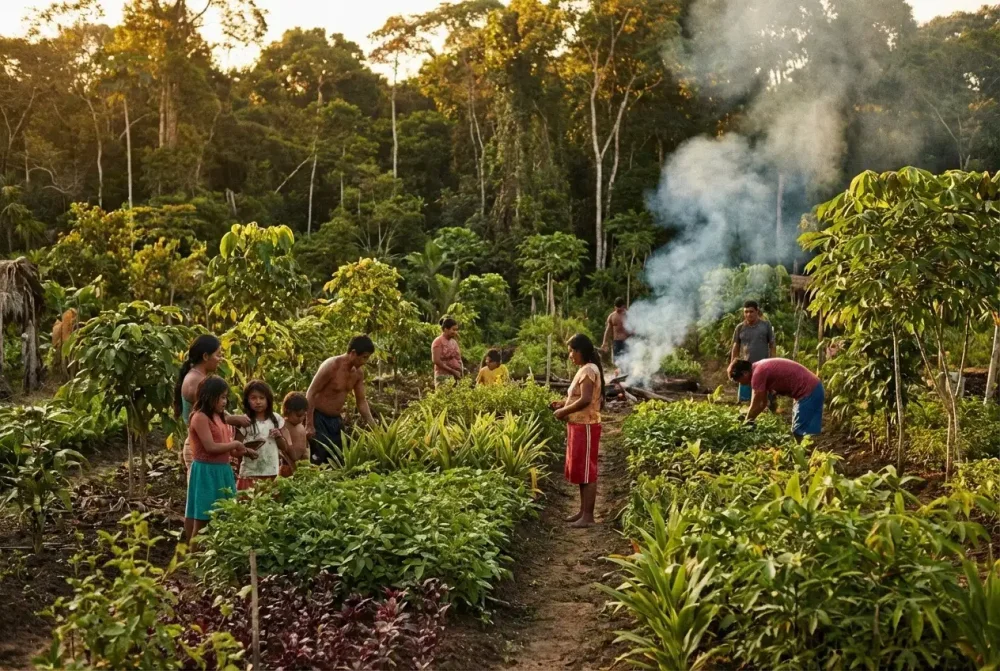
Indigenous communities have cultivated medicinal plants for generations using methods that maintain soil health, protect biodiversity, and ensure long-term productivity:
Agroforestry Systems: Growing medicinal plants alongside food crops and forest trees, mimicking natural ecosystems.
Successional Planting: Planting in stages so mature plants are always available while younger ones develop.
Polyculture: Growing multiple plant species together, improving resilience and soil health.
Sacred Relationship: Viewing plants as teachers and allies, not commodities—fostering respect that naturally limits exploitation.
Modern Adaptations
Contemporary sustainable cultivation blends traditional wisdom with modern permaculture:
- Soil testing and amendment
- Water management systems
- Pest control without harmful chemicals
- Community-scale processing facilities
- Value-added product development increasing local income
Regional Variations in Sustainability
Peru: Crisis and Response
Peru faces the most acute sustainability challenges due to concentrated tourism and export industries. However, responses are emerging:
- Community cultivation cooperatives forming
- Some regions implementing harvest permits
- Growing awareness among retreat centers about sourcing
- Movement toward cultivating medicinal gardens at retreat sites
Brazil: Regulation and Cultivation
Brazil's longer history with ayahuasca religions created earlier pressure to develop sustainability solutions:
- Regulatory framework since 1998 (though enforcement varies)
- Large-scale cultivation by established churches
- State-level environmental protections in Acre
- Cultural heritage recognition supporting traditional practices
Colombia: Traditional Management
Colombia's indigenous communities maintain stronger control over territories and traditional practices:
- Less commercial pressure (so far)
- Cultivation traditions remain strong
- Community-controlled resources
- But facing threats from oil extraction and territorial fragmentation
Looking Forward: A Sustainable Future
What Success Looks Like
A sustainable ethnobotanical industry would feature:
Abundant wild populations in protected areas serving as genetic reservoirs
Thriving cultivation meeting commercial demand without wild harvest pressure
Indigenous communities controlling their plant resources and receiving fair economic benefits
Consumers educated about sustainability and willing to pay fair prices
Regulations that effectively balance conservation, traditional use, and commercial interests
The Path Forward
Achieving this requires:
- Continued investment in cultivation projects
- Stronger legal protections for indigenous territories
- Fair trade frameworks that ensure equitable benefit sharing
- Consumer education and demand for transparency
- Research supporting sustainable management practices
- Respect for traditional knowledge and indigenous sovereignty
Conclusion
Sustainable ethnobotanical practices aren't just about protecting plants—they're about preserving entire ecosystems, supporting indigenous communities, and maintaining sacred traditions that have existed for millennia. The choices we make as consumers have real impact.
By asking questions, seeking transparent suppliers, supporting cultivation initiatives, and understanding the complexities of ethnobotanical sustainability, we participate in solutions rather than problems. The plants that have given so much—healing, insight, connection—deserve our respect and protection.
Sustainability isn't a fixed destination but an ongoing practice of balance, respect, and reciprocity. It requires patience (plants take years to mature), fair compensation (sustainable production costs more), and humility (recognizing we don't have all the answers).
The future of ethnobotanical medicines depends on our collective commitment to practices that honor both the plants and the indigenous peoples who have been their guardians for generations.
Related Resources
Our Commitment at LaHerba: Learn about our sourcing practices and partnerships with indigenous communities
Educational Articles:
- Banisteriopsis Caapi: The Sacred Vine
- The Nukini People and Their Traditions
- Rapeh and Traditional Amazonian Practices
Organizations Supporting Sustainability:
- Amazon Conservation Association
- Rainforest Action Network
- Cultural Survival (Indigenous Rights)
- Ayahuasca Ayni Project
IMPORTANT NOTE: This article discusses ethnobotanical sustainability and conservation. All products discussed are ethnobotanical specimens for research purposes only.
Note: This article is for educational purposes about conservation and sustainability. All products are ethnobotanical specimens for research only. Last updated: December 2024.