Ayahuasca (Banisteriopsis Caapi)
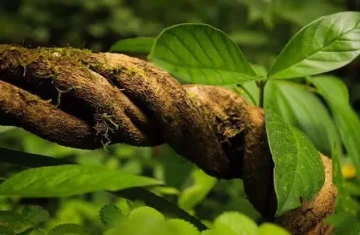
Banisteriopsis caapi, commonly known as ayahuasca vine or "vine of the soul," is a giant climbing liana native to the Amazon rainforest. This sacred plant has been used for centuries by indigenous peoples across South America and is the primary ingredient in the ceremonial brew known as ayahuasca. Often overshadowed by the DMT-containing companion plants, Banisteriopsis caapi deserves independent recognition for its unique chemistry, spiritual symbolism, and healing properties.
This article explores the deep cultural, botanical, and spiritual roots of Banisteriopsis caapi. Whether you are curious about Amazonian shamanism, the science behind the vine, or its relevance in the modern world, you'll find valuable insights here.
IMPORTANT DISCLAIMER: This article is for educational and ethnobotanical research purposes only. Banisteriopsis caapi is offered as an ethnobotanical sample and is not for internal use. The information provided discusses traditional and historical uses and is not medical advice.
What You Will Learn in This Article
-
What makes Banisteriopsis caapi unique as a sacred vine
-
How the vine is traditionally used by Amazonian shamans
-
The chemical compounds in the ayahuasca vine and their effects
-
The role of caapi plant in modern ethnobotanical research
-
Sustainable cultivation practices of the ayahuasca vine
Botanical Description
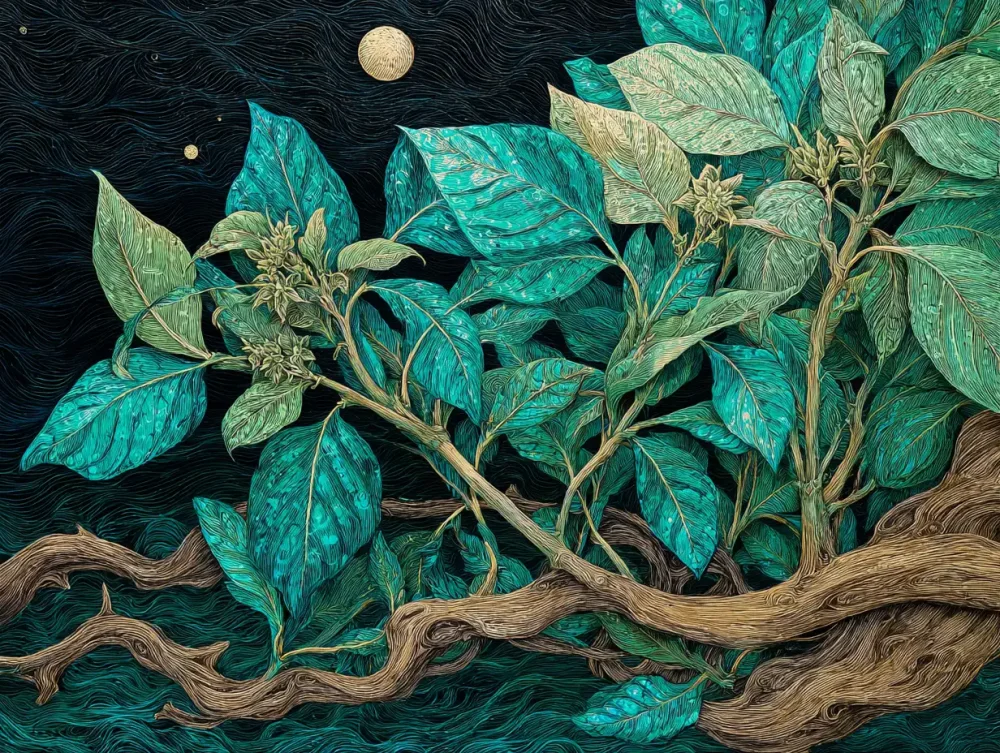
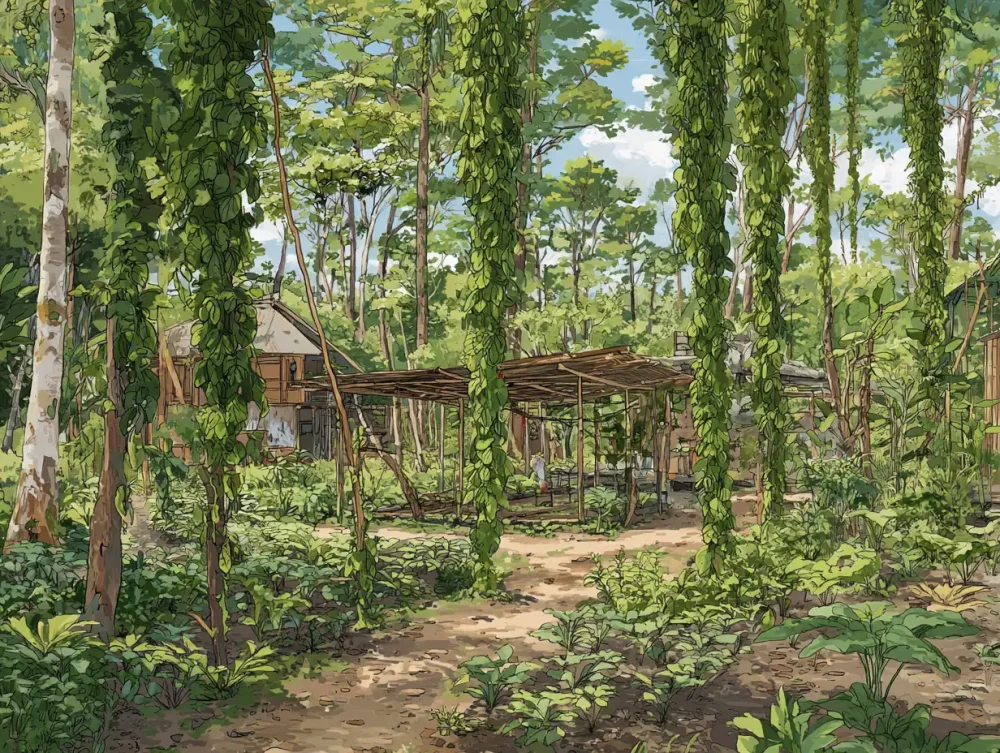
Banisteriopsis caapi is a powerful liana that can reach up to 30 meters in length. It climbs other trees for support, spiraling upward toward the rainforest canopy. The vine features chocolate-brown bark and large, oval leaves up to 18 cm long. Its pale pink or white flowers bloom rarely, usually around January.
TIP: Traditional cultivation uses stem cuttings rather than seeds for more reliable propagation.
It is native to tropical and subtropical regions of South America, particularly the Andean and Amazonian areas of Brazil, Colombia, Ecuador, Peru, Bolivia, and Venezuela. Several distinct ethnovarieties exist, with traditional names such as Cielo, Negra, and Trueno, each believed to carry different spiritual or visionary effects.
Chemical Composition and Entheogenic Properties
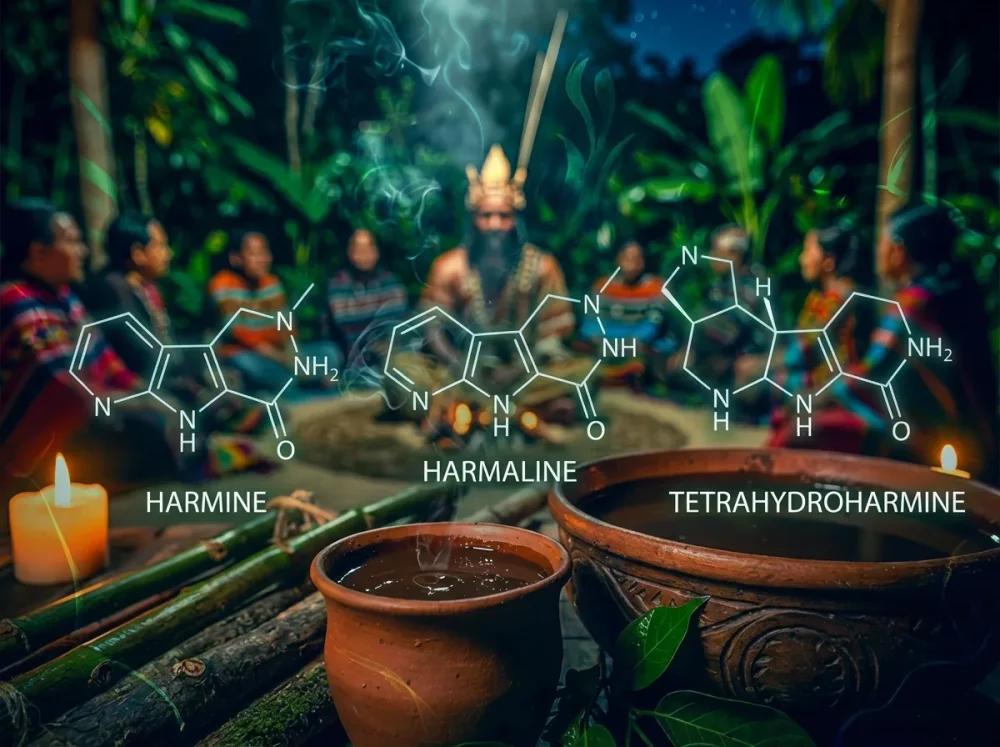
The vine's biochemical significance lies in its content of beta-carboline alkaloids—primarily harmine, harmaline, and tetrahydroharmine. These act as MAO inhibitors (MAOIs), allowing orally ingested DMT to become active in the body by preventing its breakdown in the digestive system.
TIP: Alone, B. caapi produces calming and purgative effects; when combined with DMT plants, it becomes a potent visionary agent.
The term "entheogen"—meaning "generating the divine within"—was coined in 1973 by a group of researchers, including R.G. Wasson, to replace terms like "hallucinogen." Banisteriopsis caapi is considered one of the master entheogenic plants, used not for recreation but as a sacred teacher and healer.
Traditional Use and Shamanic Ceremonies
In Amazonian tradition, B. caapi is revered as a "master plant teacher." It is central to ayahuasca ceremonies practiced by over 70 indigenous groups. The Quechua name "ayahuasca" translates to "vine of the dead" or "rope of the soul," reflecting its role in spiritual journeys and ancestral communication.
TIP: Shamans undergo long apprenticeships to work with ayahuasca, often dieting with the vine in isolation to receive its teachings.
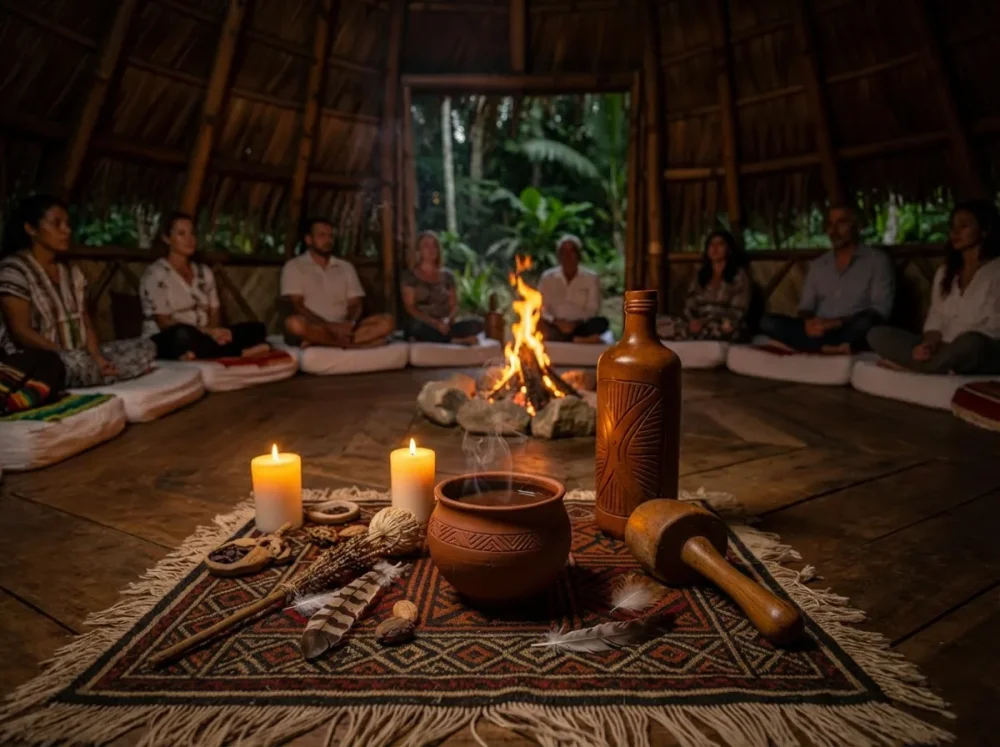
Ceremonies involve singing icaros (spiritual songs), prayer, and ritual preparation. The effects are not merely psychological—they are considered energetic and spiritual, offering insight, healing, and purification.
Ethnobotanical Significance and Modern Research
Today, Banisteriopsis caapi draws the attention of both spiritual seekers and scientists. Visionary experiences are commonly described as deeply emotional, cathartic, and enlightening. Clinical research is exploring its potential to support mental health, particularly for depression, PTSD, and addiction.
TIP: Always approach sacred plant use with respect and under experienced guidance if participating in legal traditional contexts.
Notably, a 2023 study by Luz et al. examined the genetic diversity of Banisteriopsis species, while Rodrigues et al. (2024) investigated potential antiviral properties of its alkaloids. This points to untapped biomedical value beyond its spiritual roles.
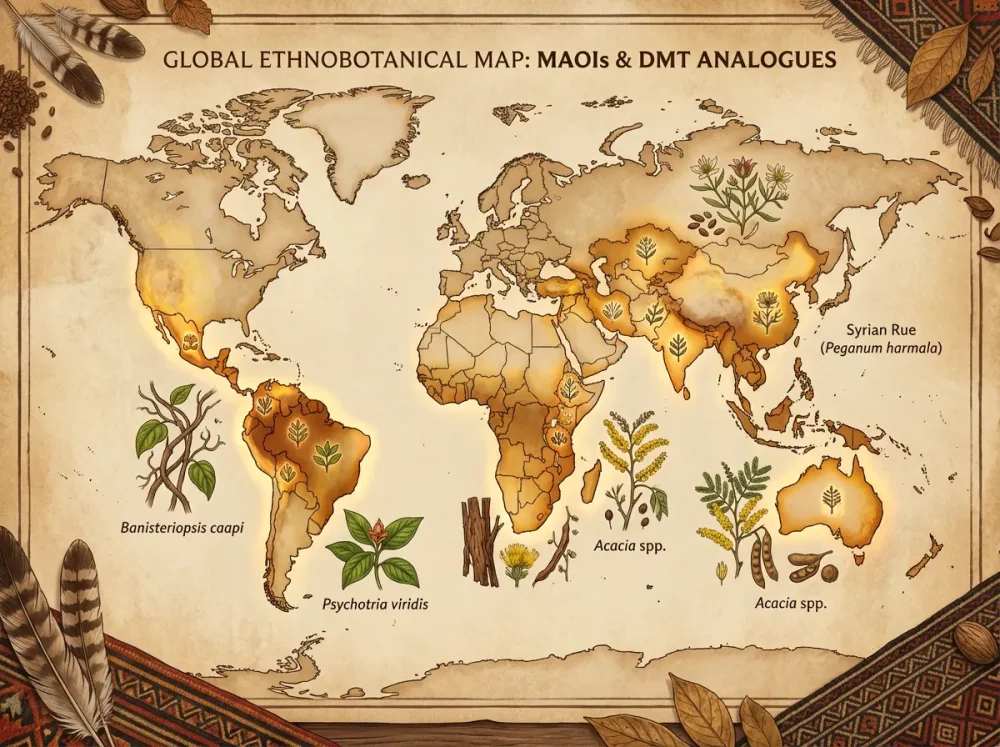
Ayahuasca Analogues and Global Potential
Ethnobotanist Jonathan Ott coined the term "ayahuasca analogues" to describe brews made from non-Amazonian plants containing similar MAOI and DMT components. His book Ayahuasca Analogues: Pangean Entheogens suggested that thousands of combinations could mimic the original ayahuasca experience using regional plants.
TIP: Ott’s work opened a new field of research into global entheogenic practices and possibilities for non-Amazonian healing traditions.
This concept sparked global interest and experimentation with analog brews, sometimes called "anahuasca," showing the adaptability of the ayahuasca archetype beyond the rainforest.
Brazilian Tribes and Cultural Diversity
Many Brazilian tribes—including the Ashaninka, Yawanawá, Marubo, Katukina, and the Huni Kuin/Kaxinawá—use B. caapi in their rituals. The Huni Kuin call the vine "Nixi pae" and distinguish between different Psychotria and Banisteriopsis varieties by name.
TIP: Each tribe has its own mythology, ritual songs, and preparation methods tied to the vine, making it a living part of their culture.
Their oral traditions and cosmology are closely linked with the vine, viewing it not merely as medicine, but as a sacred being with agency and wisdom.
Cultivation and Sustainability
As interest in the vine grows, so does the importance of sustainable practices. The vine is propagated via 30 cm stem cuttings planted obliquely during the rainy season. Early-stage pruning helps weed control and harvest ease.
TIP: Cultivating B. caapi outside the Amazon requires careful climate matching and ethical sourcing to preserve wild stocks.
Ethnobotanical gardens and research projects aim to maintain genetic variety and support indigenous communities through fair trade and knowledge exchange.
Conclusion
Banisteriopsis caapi is far more than a plant—it's a cultural keystone, a biochemical marvel, and a spiritual bridge. From the depths of the Amazon to modern laboratories and ceremonial spaces worldwide, its influence is undeniable.
Whether you're drawn to its history, its chemistry, or its sacred symbolism, Banisteriopsis caapi remains a living testament to the wisdom of the Amazon and the evolving relationship between humans and the plant world.
Related Products & Further Reading
Explore Our Collection: Discover our range of traditional Amazonian ethnobotanical samples, including:
- Rapeh - Traditional Amazonian snuff preparations used in ceremonial contexts
- Sananga - Eye drops derived from Tabernaemontana, used by traditional practitioners for visual clarity
- Ceremonial Cacao - Pure, minimally processed cacao traditionally used in heart-opening ceremonies, meditation, and conscious rituals
- Mapacho - Sacred tabaco incense used in Amazonian shamanic practices
Educational Resources:
- Learn about the Nukini people and their relationship with sacred plants
- Discover how traditional Rapé connects with the chakra system
- Explore our comprehensive guide to sustainable ethnobotanical practices
References for Further Study:
- Luz et al. (2023) - Genetic diversity and ethnovarieties of Banisteriopsis species
- Daldegan-Bueno et al. (2023) - Systematic review of ayahuasca effects in animal models
- Rodrigues et al. (2024) - Anti-SARS-CoV-2 activity of B. caapi alkaloids
- MacRae (1992) - Cultural and historical context of Santo Daime
- Henman (2009) - Origins and development of União do Vegetal
Author: Jorge