Rapeh and the Sacral Chakra

Rapeh (Hapé) is a sacred Amazonian ceremonial preparation used by indigenous tribes for centuries. In Western contexts, there is growing interest in understanding its role within traditional energetic and spiritual practices – particularly in relation to grounding, emotional work, and energy center alignment.
This article explores the ethnobotanical and cultural context of Rapeh in relation to the sacral chakra – an energy center associated with creativity, emotional flow, and sensuality.
The Sacral Chakra in Traditional Energy Systems
The sacral chakra, or Svadhisthana, is the second energy center in yogic and tantric traditions.
Traditional associations include:
- Location: lower abdomen/pelvic area
- Element: water
- Themes: emotions, sensuality, creativity, pleasure, bodily connection
Signs of balance in traditional teachings:
- Healthy relationship with the physical body
- Natural creative expression
- Emotional fluidity and authenticity
- Connection to joy and pleasure
Signs of imbalance:
- Emotional suppression or numbness
- Disconnection from bodily sensations
- Creative blocks
- Excessive mental activity

Understanding Cross-Cultural Interpretations
An important clarification: Amazonian tribes do not traditionally use chakra terminology. The chakra system originates from Hindu and Buddhist traditions in South Asia.
When contemporary practitioners speak of "Rapeh for specific chakras," they are:
- Interpreting effects through a Western/yogic lens
- Noting where in the body sensations are commonly reported
- Observing which emotional or energetic themes arise
This cross-cultural interpretation is not "official" or traditional, but rather represents how diverse wisdom traditions are being explored in contemporary practice.

Rapeh Varieties Associated with Sacral Energy
Based on ethnobotanical reports from facilitators, researchers, and traditional knowledge holders, certain Rapeh varieties are often linked to the pelvic and emotional body:
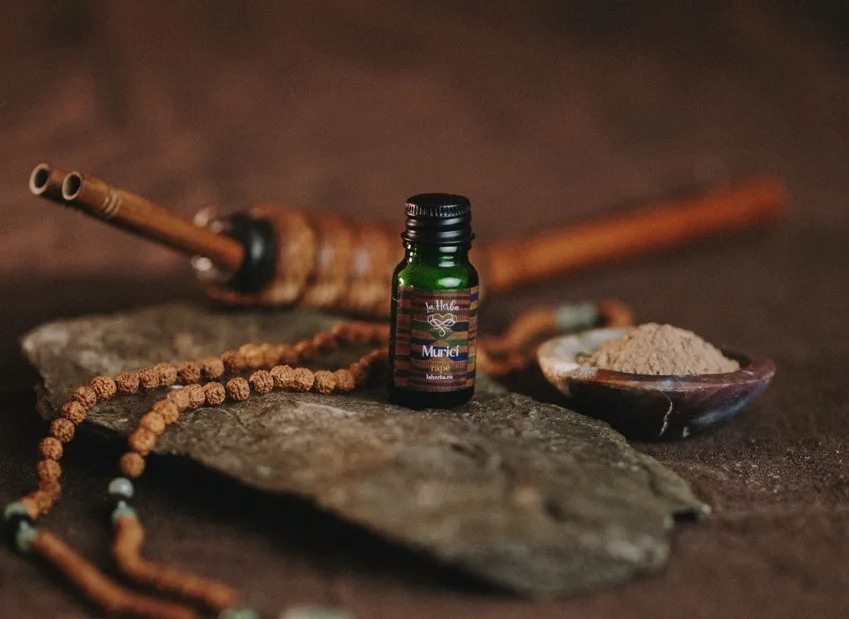
1. Murici
Traditional context:
- Associated with belly and lower abdominal awareness
- Reported themes: emotional release, clearing of stored grief or shame
- Described as grounding and balancing
2. Feminine-Associated Blends
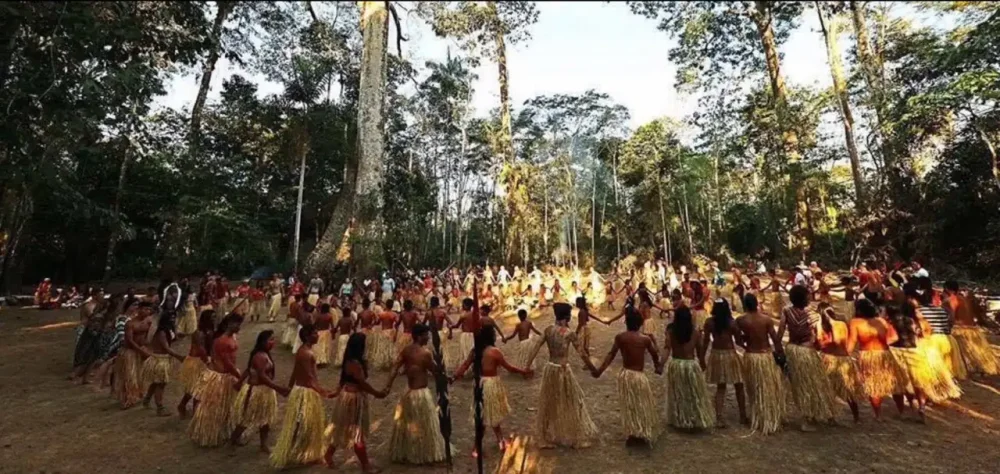
Yawanawa Força Feminina
- Created by Yawanawa women practitioners
- Characterized as gentle and intuitive
Nukini Rose
- Combines rose with Tsunu ash
- Traditionally associated with nurturing and emotional gentleness
Yawanawa Mulateiro
- Derived from a tree known locally as the "joy tree"
- Linked to themes of pleasure, passion, and creative energy
3. Ceremonial Varieties for Deeper Work
Samauma
- From the kapok tree, called "Mother of all trees"
- Associated with ancestral and womb-related themes in tradition
Canela de Velho
- Reported to work across sacral and solar plexus regions
- Themes: personal power, desire, purpose
7 Ervas / Jaguar Nukini
- Multi-herb blend used in deeper ceremonial contexts
- Associated with shadow work and fear release
Note: These associations are based on traditional use contexts and subjective reports. Individual experiences vary widely.

Traditional Ceremonial Context
In indigenous Amazonian traditions, Rapeh is used within specific ceremonial frameworks:
Preparation Phase
- Intention setting related to healing or spiritual inquiry
- Selection of appropriate blend based on ceremonial purpose
- Creation of sacred space (silence, natural elements, sacred scents)
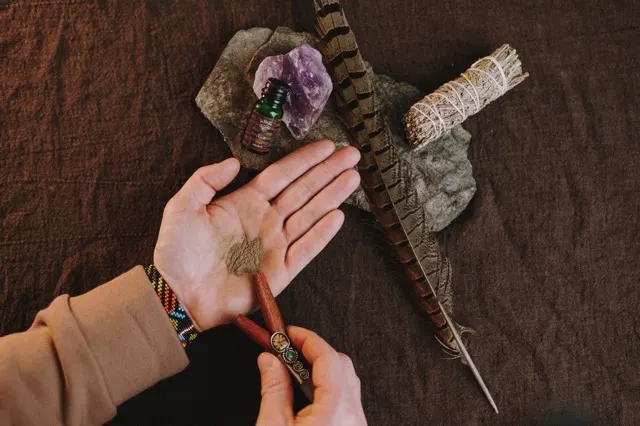
Traditional Application Methods
- Kuripe: V-shaped self-application tool
- Tepi: Long pipe used by a facilitator for another person
- Bilateral application (both nostrils) symbolizing balance
Integration Phase
- Quiet sitting or gentle movement
- Focus on bodily sensations, particularly in the belly/pelvic region
- Visualization techniques (such as orange light in the sacral area)
- Post-ceremony reflection or journaling
This description is provided for educational understanding of traditional practices only.
Ethnobotanical Safety Considerations
Traditional practitioners emphasize:
- These preparations typically contain Nicotiana rustica (wild tobacco)
- Used ceremonially and mindfully, not casually or frequently
- Traditional contraindications include pregnancy, nursing, cardiovascular conditions, epilepsy, and acute psychiatric conditions
- Not combined with alcohol or other plant medicines
Cultural respect: In indigenous contexts, Rapeh is a sacred plant ally, not a recreational substance. Understanding this context is essential to respectful engagement with these traditions.

The Sacral Chakra in Contemporary Wellness
From an energetic perspective, the sacral chakra represents:
- Our fundamental "yes" to life and embodiment
- Capacity for pleasure, sensuality, and joy
- Emotional memory and fluidity
- Creative and relational expression
In traditional ceremonial contexts, Rapeh has been described as supporting:
- Mental quieting
- Access to suppressed emotions
- Release of outdated patterns
- Increased capacity for softness and authentic expression
These reported effects occur within a broader framework of intention, ceremony, and integration work.
Conclusion: Bridging Traditional Wisdom and Contemporary Interest
The growing Western interest in Rapeh represents a meeting point between Amazonian plant wisdom and yogic energy concepts. While these traditions evolved separately, contemporary practitioners find value in exploring their intersection.
Key principles for respectful engagement:
- Approach with cultural humility and respect for indigenous origins
- Understand ceremonial context, not just the plant material
- Recognize that ethnobotanical specimens carry cultural and spiritual significance
- Seek education and guidance from experienced practitioners
To learn more about the history and origins of this medicine, read our ultimate guide: What is Rapé?"
For those interested in exploring these traditions respectfully, our curated collection at LaHerba.co.uk includes educational resources and authentic ethnobotanical specimens.
Disclaimer: This article is provided for educational and informational purposes only. All products are sold as ethnobotanical specimens for research, collection, and educational purposes. This content does not constitute medical advice, and products are not intended for consumption or therapeutic use. Consult appropriate practitioners for guidance on traditional practices.