Rapé in Ceremony: What Indigenous Traditions Observe
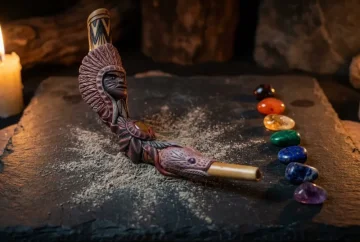
A Sacred Tradition Rooted in the Amazon
For centuries, indigenous communities across the Amazon basin have maintained a profound relationship with Rapeh – a finely ground botanical preparation traditionally used in ceremonial and healing contexts. Tribes including the Yawanawá, Huni Kuin (Kaxinawá), Nukini, Matsés, and Katukina are among the many communities for whom Rapeh represents far more than a botanical substance. Within these traditions, it is considered a sacred ally, deeply integrated into spiritual, medicinal, and communal life.
Western interest in Rapeh has grown considerably in recent years, bringing with it both opportunity and responsibility. Understanding what traditional practitioners actually observe within their ceremonial frameworks – rather than projecting Western concepts onto indigenous practice – is essential for anyone approaching this tradition with genuine respect.
This article explores the ethnobotanical and cultural context of Rapeh as documented through indigenous knowledge and anthropological research.
Composition and Preparation: The Foundation of Traditional Knowledge
Traditional Rapeh preparations are handcrafted using methods passed down through generations. The primary botanical component in most blends is Nicotiana rustica – commonly known as Mapacho – a plant species considered sacred by Amazonian shamanic traditions. Unlike commercially cultivated tobacco, Nicotiana rustica holds a distinct role in indigenous cosmology, regarded as a powerful plant teacher rather than a recreational substance.
The second foundational component is ash, typically derived from the bark of sacred or medicinally significant trees. Common sources include the Tsunu tree (Platycyamus regnellii), Imburana (Commiphora leptophloeos), and Mulateiro (Calycophyllum spruceanum). Each ash source is chosen intentionally, and the specific combination is considered a form of living knowledge owned by the tribe.
The preparation process itself is ceremonial. Traditional practitioners pound the botanical materials using a mortar and pestle, often while holding a specific intention. The resulting powder is then passed through fine mesh – traditionally reaching a particle size as fine as 125 microns – producing the characteristic silky texture of authentic tribal Rapeh.
Each tribe maintains its own unique recipes, proportions, and ceremonial protocols. These formulations are not arbitrary; they represent generations of accumulated observational knowledge about the plant relationships and their combined ceremonial significance.
Ceremonial Context: How Traditional Practitioners Approach Rapeh
Within indigenous frameworks, Rapeh is not approached casually. Its use is embedded in a structured ceremonial context guided by intention, protocol, and respect.
The Role of the Shaman or Practitioner
In many Amazonian traditions, Rapeh is administered by a shaman or experienced practitioner who holds responsibility for the ceremonial space. The practitioner is understood to transmit not just the botanical preparation but their own intention and energetic presence. This relational dimension is considered central to the experience within traditional contexts.
Kuripe and Tepi: The Sacred Instruments
Rapeh is traditionally administered through one of two instruments. The Tepi is a blow pipe used by one person to administer Rapeh to another – the practitioner places one end in their mouth and the other at the recipient's nostril, and delivers the preparation through a focused breath. The Kuripe is a V-shaped self-applicator connecting mouth to nostril for solo practice.
Within indigenous understanding, the Tepi ceremony involves an exchange of breath and intention between giver and receiver – a form of intimate energetic transfer considered significant within the shamanic tradition.
Intention Setting
Traditional practitioners emphasise that intention (intenção in Portuguese-speaking communities) is foundational to ceremonial Rapeh use. Before administration, practitioners and recipients are observed to enter a state of stillness and formulate a clear purpose – whether oriented toward spiritual clarity, healing, grounding, or connection with ancestral wisdom. This intention is understood to direct the energy of the ceremony.
New to Rapé and after quick answers rather than the full cultural picture? Our Rapé FAQ covers the common questions — names, who prepares it, tobacco-free blends, shelf life and more.
What Traditional Practitioners Observe During Ceremony
Anthropological documentation and indigenous testimonies describe a range of observations reported within ceremonial Rapeh practice. It is important to note these are cultural and experiential accounts within a specific spiritual framework, not clinical claims.
Physical Observations
Traditional practitioners widely report an immediate and intense physical response following administration. This commonly includes a strong sensation in the nasal passages, eyes watering, and often an urge to purge – whether through sneezing, coughing, or in some cases, vomiting. Within indigenous frameworks, this purging process (purga) is not considered an adverse reaction but rather a meaningful and desired cleansing of the physical and energetic body.
A period of stillness is traditionally observed following administration. Recipients are typically guided to sit upright, breathe steadily, and allow the process to unfold without resistance. The physical intensity is understood to pass relatively quickly, giving way to what practitioners describe as a state of grounded clarity.
The Energetic and Spiritual Dimension
Within indigenous cosmology, Rapeh is observed to facilitate a shift in awareness that practitioners describe in terms of energetic purification. Traditional accounts reference a dissolution of mental chatter, a heightened sense of presence, and a feeling of connection to the natural and spiritual world. Shamanic traditions interpret this as the preparation helping to clear panema – negative energies or stagnant thought patterns – allowing the practitioner or recipient to access a cleaner state of perception.
For many Amazonian communities, Rapeh serves as a tool for communicating with plant spirits and ancestral intelligences. This dimension is inseparable from the practice within its cultural context, though Western observers may engage with the same experience through different interpretive frameworks.
Community and Relational Significance
Rapeh ceremonies are frequently communal in nature. Within tribal contexts, the sharing of Rapeh reinforces social bonds, marks significant transitions, and anchors collective intention. The ceremony is a social and spiritual technology, not merely an individual experience. This communal dimension is something Western practitioners engaging with these traditions are widely encouraged to honour and reflect upon.
Tribal Diversity: Different Traditions, Different Blends
One of the most important aspects of Rapeh education is recognising the extraordinary diversity across tribal traditions. There is no single "Rapeh experience" – each tribal preparation carries its own botanical profile, ceremonial protocol, and cultural meaning.
- Tsunu (Yawanawá): The Yawanawá call Rapeh rume and are known for strong blends combining Mapacho with ash from the Tsunu tree. Traditionally considered deeply grounding and clarifying, this preparation holds central importance in Yawanawá ceremony.
- Cumaru: Derived from the seeds of the Tonka Bean tree (Dipteryx odorata), Cumaru Rapeh is associated with heart-opening qualities within traditional practice and carries a distinctively warm, aromatic character.
- Canela de Velho: Named for the "cinnamon of the old one" tree, this preparation is traditionally regarded by indigenous practitioners as a gentle yet purposeful blend, and carries a soft, distinctive character within ceremonial practice.
- Murici: Prepared with ash from the Murici tree (Byrsonima crassifolia), this blend is traditionally linked to mental clarity and focus within ceremonial frameworks.
- Paricá: Derived from Anadenanthera peregrina seeds, Paricá represents some of the most ancient shamanic traditions in South America, with archaeological evidence of its use dating back thousands of years.
Each variety of Rapeh available through LaHerba is sourced from authentic tribal producers who maintain traditional preparation methods, ensuring that the lineage and integrity of these preparations is preserved.
Another Way to Read the Blends: By Purpose
Organising Rapé by tribe and ash is one lens — it tells you where a blend comes from. Practitioners often use a second lens alongside it: what a blend is traditionally reached for. The same Tsunu that the Yawanawá hold as central, for instance, is widely described as grounding; a plain tobacco-and-ash blend leans toward cleansing; the cacao-rich Cumaru sits in the heart-opening family.
Read this way, most Rapé falls into a handful of overlapping families — grounding, cleansing, ceremonial, heart-opening, and a smaller set tied to dreamwork and night practice. A single blend can belong to more than one, which is why the two lenses work best together: the tribe tells you the lineage, the purpose tells you when practitioners turn to it.
We break each of these families down in detail — with the blends that belong to them — in our guide to Rapé effects and types
Cultural Considerations for the Western Practitioner
The global spread of Rapeh presents genuine cultural considerations. Indigenous communities have expressed concern about the commercialisation and decontextualisation of their sacred traditions. Approaching Rapeh from a place of genuine curiosity and respect – rather than novelty-seeking or appropriation – is considered essential by many indigenous advocates.
Practically, this means seeking out ethically sourced preparations from suppliers with direct relationships with tribal producers, approaching the practice with intentionality rather than casual experimentation, and taking time to understand the cultural context rather than extracting only the sensory experience.
It also means acknowledging that traditional Rapeh use involves a lifetime of training, ceremonial knowledge, and relational context with the plant world that cannot be condensed into a brief introduction.
Sustainable Sourcing and the Future of Amazonian Ethnobotany
As Western demand for Rapeh and other Amazonian botanical preparations grows, questions of sustainability become increasingly important. Authentic tribal Rapeh is crafted in small batches using locally sourced botanicals. Supporting suppliers who work directly with tribal communities – ensuring fair compensation and ecological sustainability – is one of the most meaningful ways Western consumers can honour these traditions.
LaHerba works exclusively with ethnobotanical sources that maintain direct relationships with indigenous producers, ensuring that the preparations we offer carry genuine provenance and that the communities who steward this knowledge receive fair recognition.
Closing Reflections
Rapeh occupies a unique position at the intersection of ancient wisdom and contemporary interest. For the Amazonian communities who have preserved this tradition across countless generations, it represents a living relationship with the plant world and the spiritual dimensions of reality. For Western practitioners approaching it with genuine respect, it offers a window into a form of knowledge profoundly different from the frameworks most of us have inherited.
The most meaningful engagement with Rapeh begins not with the preparation itself, but with the curiosity, humility, and respect that any encounter with living cultural wisdom deserves.
Explore LaHerba's full range of authentic tribal Rapeh varieties, traditional Kuripe and Tepi applicators, and Mapacho in our ethnobotanical collection.
Disclaimer:
All products offered by LaHerba are sold strictly as ethnobotanical samples and botanical incense for research, collection, and educational purposes only. They are not intended for human consumption. The following article is purely educational, exploring the cultural and anthropological context of traditional Amazonian practices.